
Stopping skipping cool-downs helps your body recover more effectively by reducing muscle soreness, stiffness, and the risk of circulatory issues. Without a proper cool-down, blood can pool in your muscles, causing discomfort and impairing circulation. This can also lead to increased soreness, longer recovery times, and a higher chance of injury. Maintaining a consistent cool-down routine benefits your overall health and performance, and understanding these effects offers valuable insights if you keep exploring this topic.
Key Takeaways
- Blood circulation improves, reducing swelling and discomfort after exercise.
- Muscle soreness and stiffness decrease due to efficient removal of metabolic waste.
- Cardiovascular stability is maintained with gradual normalization of heart rate and blood pressure.
- Risk of dizziness, fainting, and circulatory issues diminishes.
- Long-term recovery and injury prevention are enhanced through consistent cool-down routines.
The Role of Cool-Downs in Muscle Recovery
Cooling down plays a crucial role in muscle recovery by facilitating the removal of lactic acid and metabolic waste products, which can accumulate during exercise. Increased blood circulation during this phase enhances blood flow, delivering oxygen and nutrients essential for tissue repair. Efficient removal of lactic acid reduces muscle soreness and minimizes the risk of cramps. Active recovery during cool-down helps prevent muscles from stiffening, thereby decreasing delayed onset muscle soreness (DOMS). Additionally, proper cool-down routines support the transition of your nervous system from sympathetic to parasympathetic states, promoting relaxation and overall recovery. Without a cool-down, waste products may linger in muscles, impairing recovery and raising injury risk. Maintaining consistent cool-down practices guarantees improved blood circulation and aids in faster muscle repair, ultimately contributing to better performance and reduced soreness in subsequent workouts.
How Skipping Cool-Downs Affects Circulatory Health
When you skip cool-downs after exercise, blood can pool in the muscles, leading to increased swelling and discomfort. This blood pooling hampers proper blood flow and impairs circulation, delaying recovery. Without gradual vasodilation, blood vessels may constrict, causing fluctuations in blood pressure and increasing cardiovascular strain. A proper cool-down facilitates vasodilation, helping maintain steady blood flow and supporting the body’s effort to restore normal circulation levels. Skipping this step can lead to a rapid decline in blood flow, which may impair circulatory stability and prolong recovery time. Additionally, inadequate cool-downs can elevate cardiovascular strain, forcing the heart to work harder to normalize blood pressure and circulation. Maintaining effective blood flow through cooling activities reduces the risk of dizziness, fainting, and potential circulatory issues. Overall, cool-downs are essential for promoting circulatory health and ensuring a safe, efficient recovery process after exercise.
The Impact on Muscle Soreness and Stiffness
Skipping cool-downs not only affects circulation but also substantially influences muscle recovery. Without proper cooling, you risk increased muscle soreness, especially delayed onset muscle soreness (DOMS), due to impaired removal of lactic acid. This buildup contributes to muscle stiffness and prolonged discomfort. Cooling down promotes blood flow, which is essential for efficient repair of muscle tissue and reduction of muscle tension. When you neglect this step, muscles tend to remain tight, delaying relaxation and prolonging stiffness. Consequently, recovery time lengthens, and mobility can be compromised for hours or days post-exercise. Regular cool-down routines facilitate muscle relaxation and help mitigate soreness, enabling quicker return to baseline function. Enhanced blood flow not only reduces stiffness but also decreases the likelihood of cramps and further discomfort. Maintaining a cool-down routine is therefore crucial for minimizing muscle soreness and stiffness, supporting ideal recovery, and preparing your muscles for future activity.
Risks of Incomplete Recovery and Injury
Failing to complete an adequate cool-down can result in incomplete removal of lactic acid, increasing muscle soreness and stiffness. This impairs blood flow necessary for effective muscle recovery, leaving metabolic waste products in the tissue. Without proper cooldown, blood pooling may occur, elevating the risk of dizziness and delayed recovery. Additionally, abrupt cessation of activity can cause micro-tears in muscle fibers, raising injury risk during subsequent movements. Sudden drops in blood pressure from stopping exercise too quickly can lead to lightheadedness or fainting, further compromising safety. Inadequate recovery increases the likelihood of overuse injuries and muscle strains over time. Maintaining a proper cool-down promotes gradual normalization of blood flow and blood pressure, facilitating efficient removal of metabolites and supporting tissue repair. Neglecting this step not only prolongs soreness but also elevates the risk of injury, undermining both immediate and long-term training outcomes.
Long-Term Benefits of Consistent Cool-Down Practices
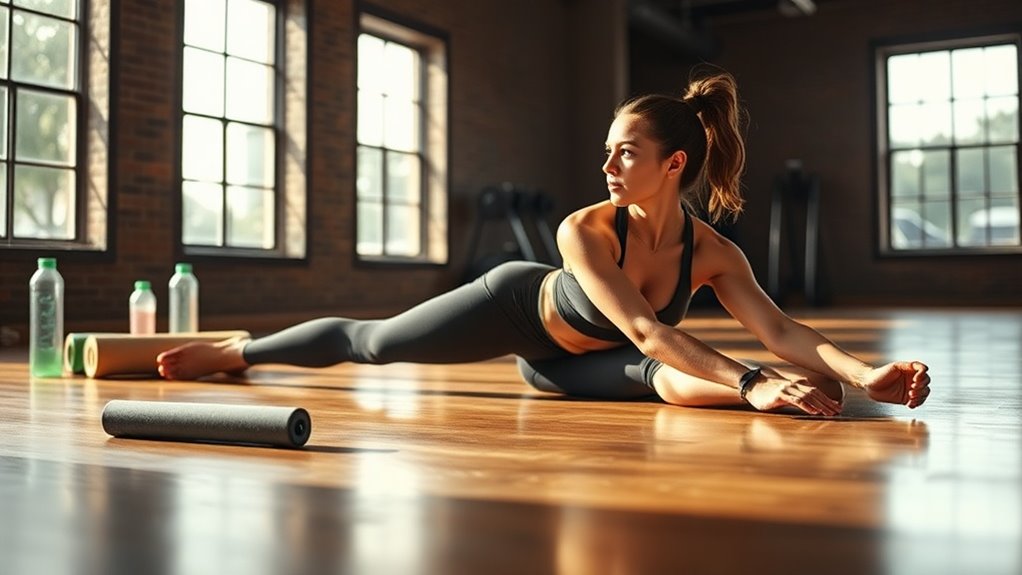
Consistently incorporating cool-down routines into your exercise regimen offers significant long-term health and performance benefits. A proper cool-down facilitates the recovery process by gradually lowering your body temperature and blood flowing, which helps prevent muscle soreness and stiffness. This approach also supports cardiovascular health by slowly reducing heart rate and blood pressure, minimizing strain on your heart over time. Regular cooling-down practices help maintain the integrity of muscles and joints, reducing the risk of injury and long-term joint or soft tissue damage caused by abrupt activity cessation. Additionally, cooling down enhances flexibility and mobility, contributing to better performance and reduced injury risk in future workouts. Long-term adherence to these practices encourages workout consistency and enjoyment, fostering sustainable physical activity habits. By prioritizing a proper cool-down, you optimize your overall health, reduce injury potential, and promote ongoing exercise benefits.
Common Questions
What Happens if You Don’t Do a Cooldown?
If you don’t do a cooldown, your heart rate and blood flow stay elevated, increasing cardiovascular strain. This impairs muscle recovery, raises injury risk, and can cause delayed soreness. Additionally, skipping a cooldown hampers mental relaxation and flexibility, reducing workout efficiency. Proper cooldowns promote blood circulation, aiding in lactic acid removal and overall recovery, which ultimately supports injury prevention and enhances your long-term fitness progress.
What Happens if You Don’t Cool Down After a Workout?
If you don’t cool down after a workout, your muscle recovery slows, and blood circulation remains inefficient, increasing injury risk. For example, a study showed athletes who skipped cool-downs experienced prolonged soreness and stiffness. Without a proper cool-down, your heart rate stays elevated, reducing stress, and hindering energy restoration. Additionally, flexibility improvement is compromised, and the risk of muscle strains increases, making injury prevention less effective.
Is Cool Down Actually Important?
Yes, cool downs are essential. They promote muscle recovery and blood circulation, which help prevent injuries and improve heart health. Additionally, a proper cool down supports flexibility benefits and mental relaxation, reducing stress and enhancing workout consistency. Evidence shows that cooling down facilitates a safe progression from exercise, minimizing soreness and cramps, and ultimately contributes to better long-term performance and health outcomes.
How Long Should Cool Down Exercises Last?
You should aim for a cool-down lasting 5 to 10 minutes, incorporating stretching routines to enhance muscle flexibility and promote heart rate recovery. This duration supports blood circulation, injury prevention, and mental relaxation. A structured cool-down improves workout efficiency by facilitating physiological recovery, reducing soreness, and preventing dizziness. Prioritizing this time ensures ideal post-exercise benefits, making your recovery more effective and promoting long-term fitness sustainability.
To Sum it up
Skipping cool-downs may seem minor, but evidence shows they aid in gradual recovery and reduce injury risk. While it might feel inconvenient, taking a few minutes to cool down helps restore circulatory function and minimizes muscle soreness. This small effort supports long-term performance and health. Don’t dismiss cool-downs as unnecessary; the data underscores their role in effective, safe recovery—making your workouts more sustainable and beneficial over time.