
Reducing inflammation is crucial for faster recovery because persistent or excessive inflammation impairs blood flow, delays tissue repair, and prolongs pain and stiffness. Implementing strategies such as an anti-inflammatory diet, appropriate physical therapy, and stress management can markedly enhance circulation and tissue healing. Recognizing signs of lingering inflammation helps address issues early. Continuing this approach can provide deeper insights into effective methods to speed up your healing process efficiently.
Key Takeaways
- Reducing inflammation improves blood flow and nutrient delivery, accelerating tissue repair.
- Managing inflammation minimizes pain, swelling, and stiffness, enabling faster mobility recovery.
- Incorporating anti-inflammatory foods and herbs supports the body’s natural healing processes.
- Physical therapy techniques like massage and modalities help decrease inflammation and promote circulation.
- Adequate sleep, stress management, and lifestyle choices lower systemic inflammation, speeding up recovery.
Understanding How Inflammation Affects Healing

Understanding how inflammation affects healing is essential because it plays a dual role in the repair process. Inflammation is a natural immune response triggered by tissue injury, infection, or toxins, aiming to protect and repair the body. Acute inflammation, characterized by redness, swelling, warmth, and pain, generally supports healing by increasing blood flow and facilitating tissue repair. However, persistent or systemic inflammation—often linked to chronic inflammation—can impair blood flow and nutrient delivery, delaying recovery. Excessive inflammation may lead to tissue stiffness, prolonged pain, and reduced mobility, ultimately hindering healing. Managing inflammation effectively—through diet, lifestyle, or therapy—can help reduce tissue damage and improve circulation, thereby accelerating healing. It’s vital to distinguish between the beneficial effects of acute inflammation and the detrimental impact of chronic inflammation, which can impede tissue repair and prolong recovery. Understanding this balance is key to optimizing pain management and healing outcomes.
Recognizing Signs That Inflammation Is Hindering Your Recovery
When inflammation persists beyond its initial protective phase, it can interfere with the natural healing process. Signs of inflammation that hinder recovery include ongoing swelling, prolonged redness, and warmth around the injury site, indicating persistent inflammation. If pain and swelling remain unchanged despite rest and basic care, it suggests delayed healing caused by unresolved inflammation. Limited mobility or joint stiffness after activity are common signs that lingering inflammation is restricting tissue repair and movement. Additionally, tenderness or increased heat in muscles or joints signals ongoing inflammation affecting tissue healing. These indicators typically extend beyond the normal healing timeframe, highlighting that inflammation may be slowing injury recovery. Recognizing these signs—such as persistent redness, ongoing swelling, and stiffness—allows you to take targeted actions to reduce inflammation and promote more effective tissue repair, ultimately accelerating your recovery process.
The Role of Physical Therapy in Managing Inflammation
Physical therapy plays a crucial role in managing inflammation by utilizing manual techniques, modalities, and targeted exercises designed to reduce swelling and promote tissue healing. Through manual techniques, such as massage and joint mobilization, your therapist can improve circulation and decrease inflammation, facilitating faster healing. Modalities like ultrasound, electrical stimulation, and ice therapy are employed to minimize inflammation and accelerate recovery. Regular movement and mobility exercises prescribed by your therapist help reduce chronic inflammation and restore joint function, enhancing overall tissue healing. Additionally, physical therapists educate you on proper body mechanics and posture, preventing further aggravation of inflammation. Personalized physical therapy plans are essential for effectively managing inflammation, reducing the risk of long-term complications, and improving healing outcomes. By integrating these evidence-based approaches, physical therapy supports the natural healing process and optimizes recovery speed, helping you return to daily activities sooner.
Lifestyle Strategies to Reduce Inflammation and Speed Up Healing
Implementing lifestyle strategies can considerably reduce inflammation and accelerate healing processes. Your lifestyle choices directly influence the healing process by modulating inflammation levels. An anti-inflammatory diet rich in nutritious foods such as fruits, vegetables, omega-3 fatty acids, and herbs like turmeric and garlic can effectively reduce inflammation and support recovery. Regular physical activity, including low-impact exercises like walking or swimming, enhances circulation and helps flush out inflammatory toxins. Managing stress through techniques like meditation, deep breathing, and relaxation exercises lowers cortisol levels, decreasing inflammatory responses. Additionally, prioritizing quality sleep—ideally 7-9 hours per night—promotes tissue repair and reduces systemic inflammation. Limiting harmful habits such as smoking, excessive alcohol intake, and processed foods further diminishes inflammation and facilitates the healing process. These evidence-based lifestyle choices collectively strengthen your immune system, optimize recovery, and promote overall health.
Practical Tips to Incorporate Anti-Inflammatory Practices Daily
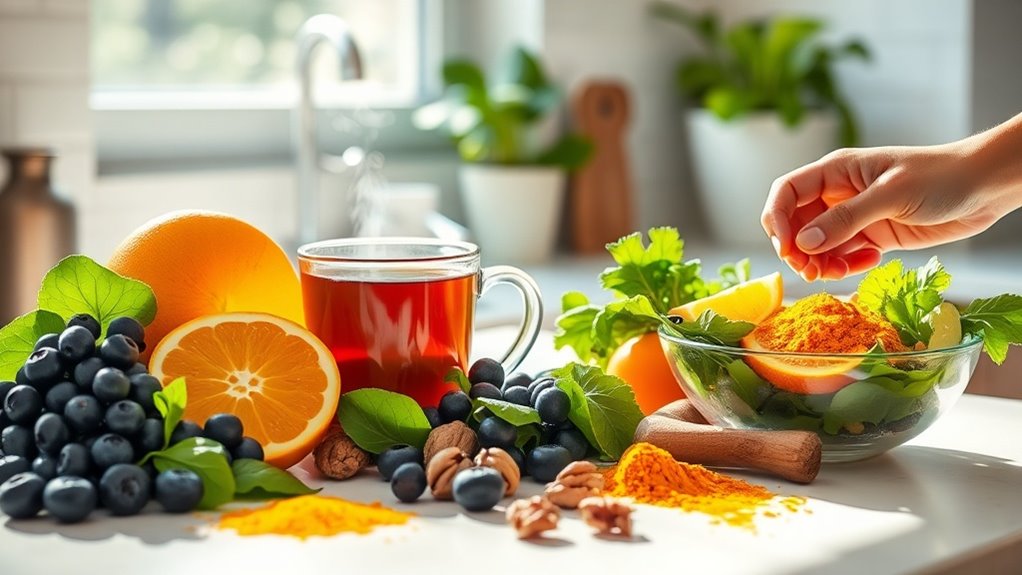
To effectively incorporate anti-inflammatory practices into your daily routine, focus on practical, manageable steps that fit your lifestyle. Begin by adjusting your daily habits to include a variety of colorful fruits and raw vegetables, which provide antioxidants that help reduce inflammation. Prioritize foods you eat by replacing processed foods, refined carbs, and red meats with whole grains, lean proteins, and healthy fats like olive oil and fatty fish. Incorporate anti-inflammatory herbs and spices such as turmeric, ginger, and garlic into your meals regularly. Managing stress through techniques like meditation or deep breathing can lower cortisol levels, further reducing inflammation. Make sure you get 7-9 hours of quality sleep each night and establish a consistent sleep schedule to support immune health and tissue repair. These simple, consistent actions form the foundation of a healthy lifestyle that effectively manages inflammation and promotes quicker recovery.
Common Questions
Does Reducing Inflammation Help Heal Faster?
Reducing inflammation can indeed help you heal faster by improving tissue repair and injury management. It modulates immune response, lowers inflammation markers, and decreases swelling and chronic pain. Anti-inflammatory strategies enhance pain relief and promote better immune regulation, supporting the healing process. Additionally, antioxidant effects reduce tissue damage. By managing inflammation, you optimize recovery, allowing your body to repair tissues more efficiently and shorten overall healing time.
What Happens When You Reduce Inflammation?
When you reduce inflammation, your body experiences decreased swelling and pain, allowing tissues to repair faster. Incorporate anti-inflammatory foods, herbal therapies, and proper hydration strategies to support this process. Regular physical activity, stress management, and quality sleep further enhance recovery, while mindfulness practices and lifestyle adjustments help maintain lower inflammation levels. Supplement options may also aid, but always consult healthcare professionals for personalized approaches to optimize healing outcomes.
What Is the Fastest Way to Recover From Inflammation?
Imagine your body as a well-tuned engine. To recover fastest from inflammation, prioritize natural remedies like anti-inflammatory foods—rich in omega-3s, turmeric, and ginger—and herbal supplements. Incorporate gentle exercise routines, stay hydrated, and improve sleep quality. Combine this with stress reduction, dietary adjustments, and physiotherapy techniques. These lifestyle changes accelerate tissue repair, reduce swelling, and optimize recovery by addressing inflammation holistically and scientifically.
What Are the Benefits of Lowering Inflammation?
Lowering inflammation benefits your health by reducing inflammation symptoms like pain and stiffness, and decreasing inflammation markers. Incorporating anti-inflammatory foods and supplements can help combat chronic inflammation and address inflammation causes. Managing inflammation improves immunity, slows inflammation and aging, and enhances inflammation treatment outcomes. Regular inflammation and exercise, along with proper diet, support overall well-being, longevity, and a better quality of life by mitigating the adverse effects of inflammation.
To Sum it up
By actively reducing inflammation, you’re not just supporting your recovery—you’re opening the door to faster healing. Think of inflammation as a double-edged sword; while necessary in small amounts, its excess can hinder progress. Incorporate evidence-based strategies like proper nutrition, physical therapy, and lifestyle changes to turn the tide in your favor. Remember, every small step you take is a brick in the foundation of a quicker, healthier recovery—your body’s potential waiting to be unlocked.