
To boost recovery using heat and cold, you should carefully time your treatments—apply cold within 24-48 hours after intense activity or injury to reduce inflammation, and use heat afterward to relax muscles and improve flexibility. Contrast therapy, which alternates between hot and cold, can boost circulation and speed healing. Always follow safety guidelines to prevent burns or frostbite. If you want to explore how to optimize these methods for your needs, more tips lie ahead.
Key Takeaways
- Use cold therapy within 24-48 hours post-exercise or injury to reduce inflammation and swelling effectively.
- Apply heat therapy during the early stages to relax muscles, improve flexibility, and enhance blood flow for faster recovery.
- Alternate between heat and cold in 10-15 minute sessions to promote circulation, reduce soreness, and accelerate healing.
- Avoid using heat immediately after injury to prevent increased swelling; limit cold therapy sessions to prevent tissue damage.
- Combine temperature therapies with proper rest, hydration, and nutrition for optimal recovery and injury prevention.
Understanding the Benefits of Heat and Cold Therapy for Athletes
Understanding the benefits of heat and cold therapy is essential for athletes looking to optimize recovery and minimize injury. Heat therapy increases blood flow and relaxes muscles, which helps reduce chronic stiffness and tightness, preparing tissues for activity. It also promotes faster muscle recovery by easing tension and improving flexibility. Cold therapy, on the other hand, reduces inflammation and numbs pain receptors, providing immediate pain relief after intense exercise or injury. Cold water immersion and cryotherapy are popular options for decreasing muscle damage and speeding up recovery. Combining these therapies through contrast therapy can further enhance circulation and reduce muscle soreness more effectively. Both heat and cold treatments serve specific purposes: heat prepares and relaxes muscles, while cold minimizes inflammation and alleviates pain. Understanding how and when to use each method allows you to maximize recovery, stay injury-free, and perform at your best.
When to Use Cold Therapy for Optimal Recovery
Cold therapy is most effective within the first 24 to 48 hours after an injury or intense workout, as it helps reduce inflammation and swelling. Applying cold packs or ice baths can constrict blood vessels, minimizing tissue damage and providing quick pain relief. To optimize recovery, use cold treatments in 15-20 minute sessions, and switch to heat therapy once inflammation subsides.
Immediate Post-Exercise Relief
The window immediately following your workout is essential for optimizing recovery, and applying cold therapy during this time can make a significant difference. Using cold therapy post-exercise helps reduce inflammation and limits muscle damage, which are key to faster recovery. Cold packs or ice baths are most effective when used within the first hour after exercise, typically lasting 10-15 minutes. During this period, cold therapy constricts blood vessels, decreasing swelling and alleviating pain. Research shows that immediate post-exercise cold application can minimize strength loss by up to 4% compared to no treatment. Incorporating cold therapy at this stage guarantees you manage inflammation effectively, support tissue repair, and get back to training sooner with less discomfort.
Reducing Inflammation After Injury
After an injury, managing inflammation promptly can substantially influence your recovery process. Cold therapy is most effective within the first 48 hours, as it constricts blood vessels and reduces tissue swelling. Applying cold packs or ice baths decreases inflammation by limiting blood flow to the injury site and numbing pain receptors for immediate relief. However, timing and duration are key; applying cold therapy for 15-20 minutes with breaks ensures safe, effective results. Using cold therapy too early or too long can hinder healing. Keep in mind:
| When to Use Cold Therapy | Duration | Purpose |
|---|---|---|
| First 48 hours post-injury | 15-20 minutes with breaks | Reduce inflammation and swelling |
| After initial phase | As recommended | Avoid impairing healing |
| Ongoing pain relief | Short sessions | Numb pain and decrease discomfort |
The Role of Heat Therapy in Enhancing Muscle Flexibility
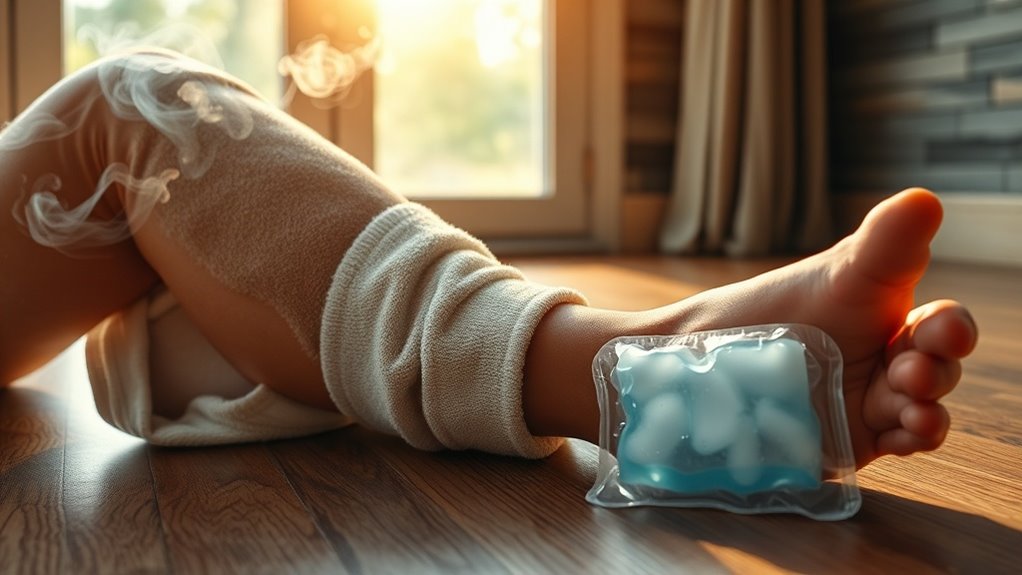
Heat therapy plays a crucial role in enhancing muscle flexibility by increasing tissue temperature, which makes muscles more elastic and responsive to stretching. When you apply heat for 15-20 minutes, you help relax tight muscles and reduce stiffness, making them more pliable. This increased elasticity allows for safer, more effective stretching routines, improving your overall flexibility. The warmth from heat therapy also boosts blood flow, delivering oxygen and nutrients essential for muscle repair and maintaining flexibility. Regular use after exercise can prevent muscle tightness and improve your range of motion over time. When you incorporate heat into your recovery routine, you’re not just relaxing your muscles—you’re actively supporting their health and resilience. Remember to apply heat carefully, ensuring it’s warm but not hot, to avoid burns. Using heat therapy consistently helps your muscles stay relaxed, flexible, and ready for movement, enhancing your overall recovery process.
Contrast Therapy: Combining Heat and Cold for Accelerated Healing
Contrast therapy combines alternating hot and cold treatments to boost your healing process efficiently. By switching between heat and cold, you stimulate blood flow and help reduce muscle soreness and inflammation. The temperature differences cause vasoconstriction during cold application and vasodilation with heat, creating a pumping effect that enhances circulation. This improved blood flow delivers essential nutrients to injured tissues and removes waste products, speeding up recovery. Research indicates that contrast therapy is particularly effective at reducing delayed onset muscle soreness (DOMS) compared to using heat or cold alone. To maximize benefits, proper timing and temperature control are vital, ensuring you avoid tissue damage. Incorporating contrast therapy into your recovery routine offers a natural, drug-free way to support your body’s healing process. Whether you’re recovering from intense exercise or an injury, this method helps accelerate your return to peak function with its targeted approach to inflammation and circulation.
Proper Techniques for Applying Cold Treatments Safely
Applying cold therapy safely is essential to prevent skin damage and discomfort. Always use a barrier like a towel and limit sessions to 15-20 minutes, giving your skin time to recover. Keep an eye on your skin for signs of excessive numbness or discoloration, and avoid treatment if you have circulation or nerve issues.
Safe Cold Application Methods
Using cold treatments safely is essential to prevent skin damage and guarantee effective relief. To do this, always wrap cold packs or ice in a thin cloth before applying them to your skin. This protects against frostbite and skin damage. Limit each cold therapy session to 15-20 minutes, and use a timer to monitor session duration. Avoid applying cold directly over open wounds, skin infections, or numb areas. If you’re considering an ice bath, ensure proper insulation and limit exposure time. Allow at least one hour between cold applications for your skin to recover. If you have circulatory issues, cold hypersensitivity, or conditions like Raynaud’s disease, consult a healthcare professional before starting cold therapy. Safe application is crucial for effective and injury-free recovery.
Duration and Frequency Tips
To guarantee cold treatments are both safe and effective, it’s important to follow proper duration and frequency guidelines. For cold therapy, apply ice packs for 15-20 minutes at a time to prevent tissue damage. Allow at least an hour between sessions so your tissues can return to normal temperature. Use a barrier, like a towel, to avoid frostbite or cold burns. Limit cold therapy to no more than 2-3 times daily, especially during the first 48 hours after injury. Always monitor your skin’s color and sensation; stop if you notice numbness, tingling, or discoloration. These injury management tips help optimize recovery, ensuring cold therapy supports healing without causing further harm. Proper duration and frequency are key to safe and effective cold therapy.
Effective Methods for Using Heat to Relax Tight Muscles
When it comes to relaxing tight muscles, heat therapy can be highly effective if used correctly. Applying heat packs or warm towels for 15-20 minutes helps increase blood flow, which promotes muscle relaxation and reduces stiffness. Warm baths and saunas are also excellent options, as moist heat penetrates tissues deeply, soothing muscle spasms and easing tension. Before engaging in a stretching routine, using infrared or dry heat devices can enhance muscle flexibility and decrease injury risk. Consistent heat application encourages blood vessel dilation, delivering essential nutrients and oxygen to tense muscles, facilitating faster recovery. Combining heat therapy with gentle massage or stretching maximizes muscle relaxation and improves overall mobility. Remember, proper use of heat isn’t just about comfort; it’s a strategic approach to reducing muscle tension, preventing injuries, and supporting your recovery process effectively.
Timing Is Key: How to Maximize the Effects of Each Therapy
Timing your heat and cold treatments correctly can substantially enhance your recovery. Applying heat during the first 1-2 days helps loosen muscles, improve flexibility, and ease stiffness, making subsequent stretching more effective. Cold therapy, on the other hand, is most beneficial within the first 24 to 48 hours after injury or intense activity, as it reduces inflammation, swelling, and numbs pain receptors. To maximize recovery, switch from heat to cold at appropriate intervals—use heat before stretching or activity to prepare muscles, then switch to cold afterward to minimize inflammation. Alternating between heat and cold in 10-15 minute sessions boosts circulation and speeds muscle healing. Understanding the proper timing of each therapy ensures you target the right phase of recovery, reducing inflammation efficiently and promoting faster healing. With careful timing, you can optimize the benefits of both heat and cold, supporting your body’s natural healing process.
Common Mistakes to Avoid When Using Heat and Cold
Applying heat or cold therapy incorrectly can hinder your recovery process and even cause harm. One common recovery mistake is using heat therapy immediately after an injury, which can increase swelling and inflammation, delaying injury recovery. Conversely, cold therapy should be limited to about 20 minutes per session, as longer durations risk tissue damage or frostbite. Switching between heat and cold too frequently without proper intervals can impair circulation and diminish their benefits. It’s also essential to contemplate your personal health; if you have circulatory issues or skin sensitivities, temperature therapies might not be suitable or require professional guidance. Relying solely on heat or cold without supporting recovery practices like hydration and stretching can limit healing progress. Being mindful of proper session duration, timing, and your individual health condition helps ensure these therapies support your injury recovery safely and effectively, maximizing their benefits without unintended setbacks.
Integrating Temperature Therapies Into Your Overall Recovery Routine

Timing is key when incorporating heat and cold therapies to maximize their benefits, so it’s important to use them at appropriate stages of your recovery. Combining hot and cold methods through contrast therapy can boost circulation and speed healing, but knowing when to switch between them matters. By scheduling these treatments alongside proper hydration, nutrition, and rest, you create a balanced routine that supports ideal muscle recovery.
Timing for Therapy Effectiveness
Understanding when to use heat or cold therapy is essential for maximizing your recovery. Proper timing can markedly impact inflammation, tissue healing, and overall injury management. To optimize your approach:
- Use cold therapy within the first 48 hours to reduce inflammation and swelling by constricting blood vessels.
- Switch to heat therapy after 48 hours to promote blood flow and support tissue repair when inflammation decreases.
- Alternate between cold and heat every 15-20 minutes based on comfort and injury stage, ensuring you’re not overdoing either method.
Timing your temperature treatments correctly helps prevent further tissue damage and accelerates recovery. Recognizing the appropriate moments for cold or heat therapy ensures you’re supporting your body’s natural healing process effectively.
Combining Hot and Cold Methods
Integrating hot and cold therapies into your recovery routine, often called contrast therapy, can markedly enhance your healing process. This approach leverages heat and cold therapy to improve circulation through vasodilation and vasoconstriction, reducing muscle soreness and inflammation. A typical contrast therapy session involves alternating 15-20 minutes of cold immersion with the same duration of heat application, repeated as needed. This alternation speeds up waste removal and nutrient delivery to tissues, promoting faster healing after intense workouts or injuries. Combining these methods balances the anti-inflammatory benefits of cold with the muscle relaxation effects of heat, offering a thorough recovery strategy. Remember, proper timing and duration are essential to maximize benefits and avoid adverse effects like tissue damage or overexposure.
Safety Precautions and Who Should Avoid Heat or Cold Treatments
While heat and cold therapies can be effective for injury recovery, it’s essential to recognize that they may not be suitable for everyone. If you have cardiovascular issues, high blood pressure, skin sensitivities, or autoimmune disorders, consult a healthcare professional before using these treatments. Misuse can worsen circulation or trigger adverse reactions. Additionally, cold therapy is generally not recommended for children, pregnant women, or those with autoimmune conditions due to potential risks.
Consult a healthcare professional before using heat or cold therapy if you have health conditions or sensitivities.
Here are key precautions:
- Avoid applying heat to acute injuries like sprains or inflammation within the first 48 hours, as it can increase swelling.
- Be cautious if you have circulation problems or peripheral neuropathy—both can heighten the risk of burns or frostbite.
- Always follow recommended durations and temperatures to prevent skin damage, burns, or frostbite, especially for sensitive skin or prolonged use.
Prioritize safety and seek medical advice when in doubt.
Common Questions
Why Is Hot and Cold Good for Recovery?
Hot and cold therapy is great for recovery because it promotes circulatory improvement, speeding up tissue repair. Cold reduces inflammation and alleviates pain, especially after injury, while heat encourages tissue relaxation and a metabolic boost. Alternating between the two can enhance circulation, prevent injury, and support healing. Using both methods thoughtfully helps manage pain, reduce swelling, and optimize recovery, making your healing process more effective and comfortable.
How to Use Heat and Ice for Recovery?
Using heat and ice effectively for recovery begins with timing; apply ice within 48 hours to reduce inflammation, then switch to heat afterward to relax muscles. Combine this with stretching techniques, massage therapy, and proper hydration strategies for best results. Incorporate active recovery, compression therapy, and sleep optimization to enhance healing. Always listen to your body, ensuring comfort, and avoid overexposure to prevent skin injuries.
What Is Better for Muscle Recovery, Heat or Cold?
For muscle recovery, cold therapy is better initially, as it reduces inflammation, relieves pain, and helps prevent injury by minimizing swelling. After the first 48 hours, heat therapy can be more effective for enhancing flexibility, boosting circulation, and easing muscle soreness. Combining both approaches at appropriate times supports injury prevention and promotes ideal recovery, addressing different needs for inflammation reduction and circulation boost.
Do You Heal Faster in Hot or Cold?
You heal faster in heat, like a gentle sunrise awakening your tissues. Warmth increases blood flow and relaxes nerves, easing pain and promoting tissue repair. It helps control lingering inflammation and reduces stiffness, making recovery smoother. While cold is essential immediately after injury, heat is your ally in the later stages, supporting muscle relaxation and healing. Embrace warmth when your body signals it’s time to move from inflammation to repair.
To Sum it up
By understanding when and how to use heat and cold therapy, you can gently guide your body back to balance and strength. Listening to your body’s subtle signals and applying these treatments thoughtfully can make recovery feel less like a challenge and more like a natural part of your journey. Remember, patience and care are your best allies—allow yourself the grace to heal at your own pace, embracing each step with confidence and compassion.