
To ease muscle tightness with self-massage, focus on stimulating blood flow and releasing trigger points using techniques like foam rolling and targeted tool use, such as massage balls or guns. Applying proper, gentle pressure on affected areas can break down adhesions and improve flexibility. Limit sessions to avoid overstimulation and adjust pressure based on body response. Continuing with targeted self-massage practices can enhance tissue recovery and long-term muscle health—more insights await to optimize your routine.
Key Takeaways
- Use foam rollers or massage balls to target large muscles and trigger points effectively.
- Apply gentle, controlled pressure with your hands or tools to avoid tissue damage.
- Incorporate self-massage into your routine 3-4 times weekly for best muscle relief results.
- Combine self-massage with stretching to enhance flexibility and reduce muscle tightness.
- Monitor your body’s response and stop if you experience increased pain or discomfort.
Understanding the Benefits of Self-Massage for Muscle Relief
Have you ever wondered how self-massage can effectively alleviate muscle tightness? Scientific evidence shows that self-massage enhances blood flow and circulation, delivering essential oxygen and nutrients while removing metabolic waste. Techniques like foam rolling and massage balls target trigger points and knots, which are common sources of muscle tension and tightness. Applying manual pressure to these areas provides immediate pain relief and helps break down adhesions that restrict movement. Regular self-massage not only reduces muscle tension but also improves flexibility and range of motion by loosening tight muscles and breaking apart adhesions. Additionally, increased circulation promotes tissue recovery and prevents future tightness. Self-massage offers a cost-effective, accessible method to manage musculoskeletal discomfort without professional assistance. Studies confirm its effectiveness in alleviating pain, reducing stress, and maintaining healthy muscle function, making it a valuable tool for anyone seeking to optimize muscle health and prevent injury.
Effective Techniques for Self-Massaging Different Body Areas
Effective self-massage techniques vary depending on the targeted body area, with different tools and methods optimized for specific muscle groups. For large muscles like calves, thighs, and the lower back, a foam roller is highly effective, enabling deep tissue massage through controlled back-and-forth movements that apply sustained pressure to release knots and relieve pain. Hands are ideal for smaller or sensitive areas such as the neck, head, and feet, where kneading and circular motions help reduce muscle tension and stress. For hard-to-reach muscles like shoulders and mid-back, tennis or golf balls are valuable tools, allowing targeted pressure to access trigger points and alleviate muscle tightness. Specialized tools such as massage guns or trigger point devices enhance precision, offering deep relief by focusing on specific knots. Employing proper techniques with these self-massage tools can effectively reduce muscle tension, improve flexibility, and promote muscle recovery.
Utilizing Tools to Enhance Your Self-Massage Routine
Utilizing specialized tools such as foam rollers, massage balls, and percussion devices can substantially enhance the efficacy of your self-massage routine by allowing targeted application of pressure to deep muscle tissues. Foam rollers are particularly effective for large muscle groups like quads, hamstrings, and the back, promoting blood flow and muscle relaxation through sustained pressure. Massage balls, including tennis or lacrosse balls, facilitate pinpoint access to trigger points and deep knots, especially in hard-to-reach areas such as shoulders, upper back, and hips. Adjustable tools like trigger point sticks enable precise pressure application in localized regions, improving relief from muscle tension. Percussive therapy devices, or massage guns, deliver rapid, rhythmic impulses that break up deep knots and reduce muscle tension efficiently. Incorporating these accessory tools into your self-massage routine allows for more all-encompassing targeting of muscle tightness, enhances relaxation, and promotes recovery, especially where manual pressure alone may be insufficient.
Safety Tips to Maximize Benefits and Avoid Injuries
To maximize the benefits of self-massage while minimizing the risk of injury, it is essential to follow proper safety protocols. Applying gentle pressure with proper technique helps prevent tissue damage and avoid injuries. Control pressure to match your body’s response, avoiding overstimulation that can lead to bruising or discomfort. Limiting massage duration to 10-15 minutes per area reduces the risk of overstimulation and overuse. Pay close attention to how your body responds; if you experience increased pain, numbness, or unusual discomfort, stop immediately. It’s also advisable to consult a healthcare professional before self-massaging, especially if you have known medical conditions, fractures, wounds, or persistent pain. Avoid massaging over areas with burns, skin infections, or inflammation, as this may worsen the condition. Following these safety tips promotes effective injury prevention and ensures you gain maximum benefits from your self-massage routine.
Incorporating Self-Massage Into Your Regular Wellness Practice
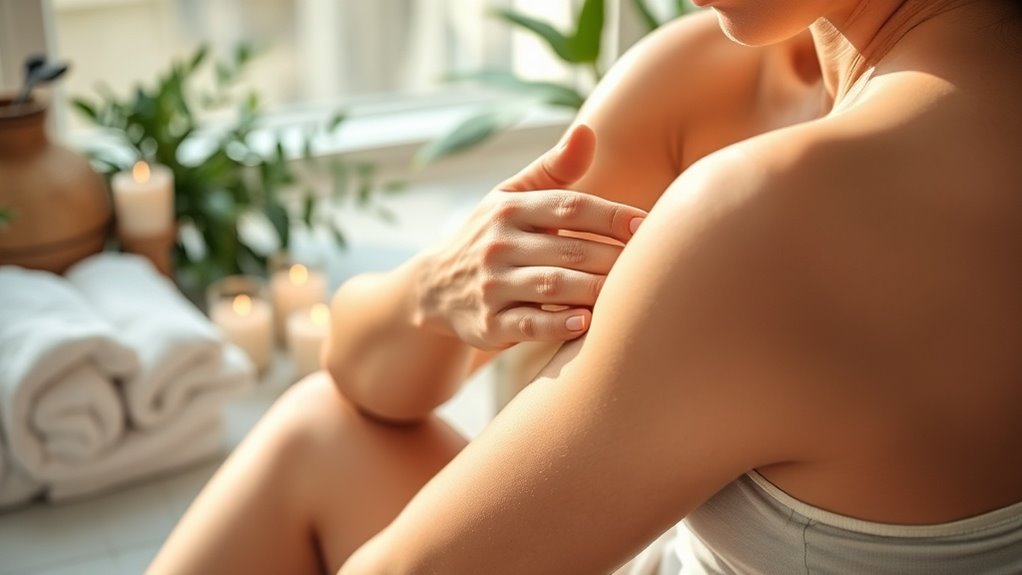
Incorporating self-massage into your daily wellness routine can considerably improve muscle health and reduce the likelihood of tightness reoccurring. Regular self-massage techniques, such as using a foam roller or massage ball, effectively target muscle tension and chronic trigger points, promoting muscle relaxation. Applying these tools to areas like shoulders, neck, and back enhances tension relief and prevents the development of knots. Combining self-massage with stretching immediately afterward maximizes muscle flexibility and minimizes muscle soreness. Consistency—ideally 3-4 times weekly—ensures sustained benefits, reducing the frequency and severity of muscle tightness. Integrating self-massage into your wellness routine alongside proper hydration, ergonomic adjustments, and mindful movement creates an all-encompassing approach to muscle health. This evidence-based practice not only alleviates existing tension but also supports long-term muscle function, preventing the recurrence of tightness and contributing to overall well-being.
Common Questions
How to Massage Out a Tight Muscle?
To massage out a tight muscle, target trigger points and knots with pressure techniques using fingers, knuckles, or massage tools, applying steady pressure for 30-60 seconds along muscle fibers. Incorporate foam rolling and gentle stretching to enhance tension release and promote blood flow. These relaxation methods support pain relief, muscle recovery, and prevent re-tightening, making self-massage an effective, evidence-based approach to easing muscle tightness and improving flexibility.
Is It Okay to Have a Massage While on Blood Thinners?
You should consult your healthcare provider before getting a massage while on blood thinners, as the anticoagulant effects increase bleeding risk. If approved, use gentle massage pressure to minimize bruise formation and avoid areas where bleeding risk is higher. Patient awareness of medication interactions and safety precautions is essential for risk management. Always monitor for unusual bruising or bleeding afterward and seek medical attention if symptoms occur to ensure safety.
How Do You Massage Yourself to Release Tension?
You can effectively release tension by targeting trigger points and muscle knots with steady pressure, gradually increasing for fascia release and lymphatic drainage. Use your fingers or tools to apply sustained pressure on pressure points, then incorporate circular motions for relaxation techniques. Combining self-massage with gentle stretching benefits circulation boost, pain relief, and stress reduction. Stay mindful of pain signals, and focus on deep, consistent pressure to achieve ideal muscle relaxation and tension relief.
How Often Should I Self-Massage?
You should self-massage 1-2 times daily, focusing on trigger points or acupressure points, to optimize muscle relaxation and pain relief. Using massage tools or foam rolling enhances therapeutic techniques, while incorporating stretching benefits can improve flexibility. Adjust massage frequency based on your response; over-massaging may cause soreness. Combining these methods with relaxation techniques supports effective management of muscle tightness, promoting long-term relief and improved muscle function.
To Sum it up
By integrating self-massage into your routine, you create a personal toolkit that actively untangles muscle knots like a skilled gardener pruning overgrown branches. Consistent application enhances circulation, reduces tension, and promotes tissue recovery—transforming your body into a well-tuned machine. When performed with proper technique and safety, self-massage becomes a scientifically supported strategy to optimize muscle health, acting as a proactive safeguard against tightness and discomfort, ensuring your body operates smoothly like a finely calibrated engine.