
To recover stronger, focus on an anti-inflammatory diet rich in nutrient-dense foods like fruits, vegetables, nuts, seeds, and wild fish to provide omega-3s, antioxidants, and zinc that support tissue repair and immune health. Prioritize high-quality protein sources timed around workouts to maximize muscle synthesis and incorporate hydration strategies to facilitate nutrient delivery. Tailoring your nutrition to your injury and combining these strategies with proper timing enhances healing. Continue exploring how precise nutrition can accelerate your recovery journey.
Key Takeaways
- Prioritize nutrient-dense foods like fruits, vegetables, nuts, seeds, and wild fish to support tissue repair and reduce inflammation.
- Consume adequate high-quality protein (~1.6 g/kg/day) evenly throughout the day to promote muscle regeneration and healing.
- Incorporate anti-inflammatory foods such as omega-3 rich fish, berries, and leafy greens to minimize inflammation and accelerate recovery.
- Time your meals strategically around workouts—carbohydrates and protein post-exercise enhance glycogen replenishment and tissue repair.
- Maintain proper hydration before, during, and after activity to support nutrient transport, cellular repair, and overall healing processes.
Understanding the Anti-Inflammatory Diet and Its Benefits
Have you ever wondered how diet can influence your body’s healing process? An anti-inflammatory diet prioritizes nutrient-rich foods that help reduce chronic inflammation, which can impede recovery. Incorporating a variety of fruits, vegetables, nuts, seeds, and wild fish provides essential nutrients like omega-3 fatty acids, antioxidants, and zinc—key players in supporting tissue repair and immune function. These antioxidant-rich foods neutralize free radicals, minimizing oxidative stress and promoting faster healing. The Mediterranean and DASH diets exemplify anti-inflammatory eating patterns, emphasizing whole, fresh ingredients over processed foods high in saturated fats and sugars. By focusing on nutrient-dense options, you supply your body with the building blocks needed for effective tissue regeneration. This approach not only decreases inflammation but also optimizes the environment for recovery, ensuring your body has the necessary nutrients to repair damaged tissues efficiently. Adopting an anti-inflammatory diet is a strategic step toward stronger, faster healing.
Essential Nutrients That Accelerate Healing and Recovery
Did you know that certain nutrients play a essential role in speeding up your body’s healing process? Essential nutrients like protein, vitamins, and minerals are fundamental for recovery and muscle healing. Adequate protein intake—around 1.6 g/kg/day—provides the amino acids necessary for tissue regeneration and repair. Vitamin C-rich foods, such as oranges and broccoli, support collagen synthesis, which is critical for wound healing. Zinc, found abundantly in oysters, beef, and lentils, influences nearly every stage of tissue repair. Omega-3 fatty acids from fatty fish and seeds help reduce inflammation, promoting faster recovery of muscles and joints. Hydration is equally important; water transports nutrients and removes waste products, facilitating cellular repair. Incorporating these essential nutrients into your diet enhances your body’s ability to recover efficiently, ensuring that your healing process is both faster and stronger. Proper nutrition is key to optimizing recovery and achieving lasting strength.
The Role of Protein and How to Optimize Your Intake
Since protein plays a critical role in muscle repair and recovery, maximizing your intake is indispensable, especially after injury or intense exercise. Consuming approximately 1.6 grams of protein per kilogram of body weight daily maximizes muscle repair and growth. Spreading your protein intake evenly across meals, aiming for about 25-30 grams per sitting, enhances muscle protein synthesis and recovery. Timing matters too; consuming protein within 30 minutes to two hours post-exercise supports ideal muscle repair and glycogen replenishment. Prioritize high-quality sources like whey, eggs, fish, and Greek yogurt, which provide essential amino acids essential for tissue rebuilding. Adequate protein intake not only accelerates healing but also helps prevent muscle loss during periods of limited mobility. To maximize your recovery process, ensure your diet includes these high-quality protein sources, and distribute your intake evenly throughout the day for the best muscle recovery outcomes.
Incorporating Anti-Inflammatory Foods and Omega-3 Fats
Building on the importance of proper nutrition for recovery, incorporating anti-inflammatory foods and omega-3 fats can notably boost your healing. Omega-3 fatty acids, abundant in fatty fish like salmon and mackerel, help reduce inflammation and support tissue repair. Anti-inflammatory foods such as berries, leafy greens, and nuts provide antioxidants and phytonutrients that combat inflammation and promote recovery. Seeds like flaxseeds and chia seeds are excellent omega-3 sources, improving circulation and decreasing joint swelling. Regularly including these foods in your diet can accelerate healing by lowering tissue inflammation and strengthening recovery. To illustrate, consider the following:
| Anti-Inflammatory Foods | Nutrient Benefits |
|---|---|
| Berries | Antioxidants, phytonutrients |
| Leafy Greens | Vitamins, anti-inflammatory compounds |
| Nuts | Healthy fats, omega-3s |
| Salmon & Mackerel | Omega-3 fatty acids, reduced inflammation |
| Flaxseeds & Chia Seeds | Plant-based omega-3s, circulation enhancement |
Prioritize these foods to optimize your nutrition for faster, stronger recovery.
Boosting Recovery With Fruits and Vegetables Rich in Vitamin C and Zinc
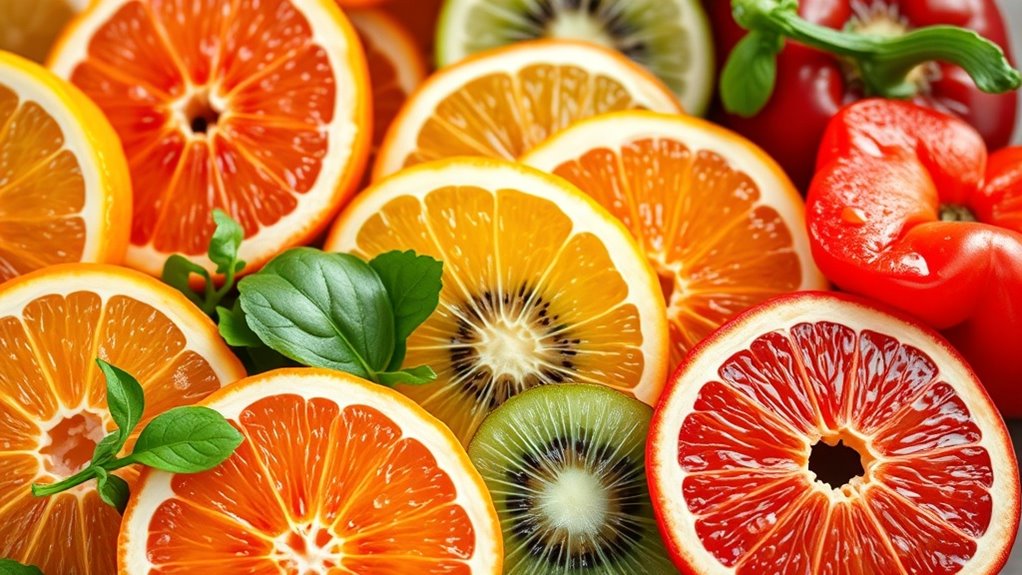
Incorporating fruits and vegetables rich in vitamin C and zinc into your diet can considerably enhance your recovery process. Vitamin C is essential for collagen synthesis, which supports tissue repair and wound healing, while zinc plays a pivotal role in nearly every stage of the wound healing process and immune function. Foods such as oranges, strawberries, and bell peppers provide ample vitamin C, acting as antioxidants that protect cells from oxidative stress during tissue regeneration. Zinc-rich options like oysters, beef, and lentils are indispensable for muscle repair and immune response. Adequate intake of these nutrients from natural sources can reduce inflammation and accelerate recovery time after injury. By focusing on fruits and vegetables high in vitamin C and zinc, you guarantee your body has the necessary building blocks for effective tissue regeneration and immune support. Incorporating these foods into your daily diet supports a faster, stronger recovery, helping you return to the best health more efficiently.
Hydration Strategies for Optimal Healing and Injury Prevention
Maintaining proper hydration is vital for supporting tissue repair and preventing injuries, as even mild dehydration can impair muscle function and slow healing processes. Adequate hydration ensures ideal electrolyte balance, which is indispensable for nerve signaling and muscle coordination during recovery. Consuming about 3 quarts (2.8 liters) of water daily helps maintain hydration levels. To maximize benefits:
- Drink fluids consistently before, during, and after exercise to prevent dehydration that hampers muscle recovery.
- Replenish electrolytes with sports drinks or electrolyte-rich foods to support nerve function and tissue repair.
- Monitor urine color and volume; clear urine indicates proper hydration.
- Avoid excessive caffeine or alcohol, which can dehydrate the body and impede healing.
These hydration strategies reduce inflammation, minimize swelling, and promote faster tissue repair, ultimately enhancing injury prevention and overall recovery effectiveness. Proper hydration is a foundational element of nutrient-focused recovery.
Tailoring Nutrition Based on Injury Type and Severity
Since injury severity influences the body’s healing needs, tailoring nutritional strategies accordingly can substantially enhance injury recovery. For severe injuries or surgeries, increasing caloric, protein, and micronutrient intake is essential to support tissue repair and minimize recovery time. Adequate protein provides the building blocks for tissue repair, while micronutrients like zinc, vitamin C, calcium, and antioxidants facilitate faster healing. Mild sprains and strains typically require a balanced diet rich in protein, vitamin C, zinc, and hydration to promote ideal tissue repair. In cases of concussion or head injury, focusing on omega-3 fatty acids and antioxidants can support brain healing. Consulting healthcare professionals can help you design personalized nutrition plans aligned with injury severity, ensuring you receive the right nutrients to optimize healing. Properly tailored nutrition not only accelerates tissue repair but also enhances overall injury recovery, allowing you to return to activity stronger and more resilient.
Timing Your Nutrition: Pre-, During, and Post-Workout Strategies
Timing your nutrition around exercise sessions is vital for optimizing performance, recovery, and muscle adaptation. Proper pre-workout nutrition fuels your muscles and enhances endurance, while during exercise, consuming carbohydrates helps maintain energy and prevents fatigue. Post-exercise, timely intake of carbohydrates and protein supports glycogen replenishment and muscle repair, indispensable for recovery nutrition.
Timing your nutrition around exercise boosts performance, recovery, and muscle growth through strategic carbohydrate and protein intake.
Consider these strategies:
- Eat a balanced pre-workout meal with carbs and moderate protein 1-3 hours before exercising.
- Sip on carbohydrates like sports drinks or energy gels during workouts exceeding 60 minutes.
- Consume a meal rich in carbs and protein within 30-60 minutes after exercise to optimize recovery.
- Hydrate consistently before, during, and after your session with 2-3 cups of water, adjusting based on activity intensity.
Effective timing of nutrition ensures your body receives essential nutrients for peak performance and faster recovery, leveraging the power of carbohydrates and recovery nutrition principles.
Complementing Physical Therapy With Nutritional Support

Supporting your physical therapy with targeted nutrition can ensure enhance healing and improve outcomes. Adequate intake of proteins, micronutrients, and anti-inflammatory foods accelerates tissue repair and reduces inflammation. Working with a registered dietitian ensures your nutritional plan is personalized to maximize recovery and complement your therapy efforts.
Nutrients Accelerate Healing
Nutrients play an essential role in accelerating healing and enhancing the effectiveness of physical therapy. Proper intake of key nutrients provides the building blocks for tissue repair and reduces recovery time. For example:
- Protein supports tissue repair and muscle regeneration, vital after injury.
- Antioxidants protect cells from oxidative stress, promoting healthy healing.
- Omega-3 fatty acids help reduce inflammation and support muscle protein synthesis.
- Adequate hydration ensures maximum nutrient delivery to damaged tissues, facilitating repair.
Focusing on these nutrients maximizes your body’s natural healing processes, making your physical therapy more effective. By integrating nutrient-dense foods rich in protein, antioxidants, and omega-3s into your diet, you give your body the support it needs to recover stronger and faster.
Optimize Therapy Outcomes
Integrating proper nutrition with your physical therapy regimen can markedly enhance recovery outcomes. Adequate protein intake is essential for tissue repair and muscle rebuilding, supporting stronger, faster healing. Consuming foods rich in omega-3 fatty acids can reduce inflammation, which often hampers progress, and promote a more effective recovery process. Nutrients like vitamin C and zinc accelerate wound healing and tissue regeneration, complementing your therapeutic efforts. Staying well-hydrated ensures ideal cellular function, allowing muscles and tissues to respond efficiently to therapy. An anti-inflammatory, nutrient-dense diet minimizes recovery time and enhances mobility. By focusing on these key nutrients, you maximize the benefits of your physical therapy, leading to improved outcomes. Proper nutrition is a crucial component of a comprehensive recovery plan.
Personalized Nutrition Plans
Developing personalized nutrition plans tailored to your specific injury type and severity can substantially enhance tissue repair and recovery efficiency. By consulting with registered dietitians, you guarantee your nutrient intake—such as protein, calcium, and zinc—supports ideal healing. A well-designed plan incorporates anti-inflammatory foods and supplements like omega-3s and antioxidants, which help reduce inflammation and promote tissue regeneration. Adjusting your nutrition strategies based on your progress with physical therapy accelerates muscle recovery and minimizes setbacks. Personalized nutrition not only complements your physical therapy but also shortens overall healing time.
Here’s what a personalized approach includes:
- Customized nutrient intake based on injury severity
- Emphasis on anti-inflammatory foods
- Integration of targeted supplements
- Continuous adjustments aligned with recovery progress
Common Questions
How Does Nutrition Improve Recovery?
Nutrition improves recovery by optimizing meal timing, ensuring you refuel with carbs and protein soon after exercise to replenish glycogen and support muscle repair. Hydration strategies prevent dehydration and facilitate nutrient transport, while anti-inflammatory foods like omega-3s reduce inflammation and soreness. Supplement benefits, such as zinc or vitamin C, bolster immune function and tissue healing, accelerating recovery. Together, these practices promote quicker, more effective restoration of your strength and performance.
How to Heal With Nutrition?
To heal with nutrition, prioritize supplements for athletes that support recovery, stay consistent with hydration strategies, and follow meal timing tips to maximize nutrient absorption. Incorporate anti-inflammatory foods like berries, fatty fish, and leafy greens to reduce inflammation and promote tissue repair. Proper nutrition involves a balanced intake of protein, vitamins, and minerals to accelerate healing, enhance immune function, and guarantee your body has the resources it needs for ideal recovery.
What Are the 3 R’s of Recovery Nutrition?
The 3 R’s of recovery nutrition are Replenishment, Repair, and Rehydration. You optimize these by timing your nutrient intake, such as consuming carbohydrate-rich foods and protein soon after exercise, to support glycogen stores and tissue repair. Hydration strategies, including electrolyte intake, are vital. Effective meal planning and nutrient timing ensure you restore fluids, rebuild tissues, and prepare your body for future workouts, promoting stronger recovery and performance.
What Is the Best Nutrition for Recovery?
The best nutrition for recovery involves ideal meal timing, ideally within 30 to 60 minutes post-exercise, to replenish glycogen and support muscle repair. Hydration strategies are vital, so drink fluids before, during, and after workouts. Incorporate evidence-based supplements like omega-3s and zinc, considering dietary restrictions to guarantee nutrient adequacy. Focus on a balanced intake of carbohydrates, protein, and anti-inflammatory foods to reduce soreness and promote tissue healing.
To Sum it up
So, next time you’re tempted to skip your greens or down that soda post-injury, remember—your body’s recovery depends on what you feed it. Proper nutrition isn’t just a trend; it’s the secret weapon for healing faster and coming back stronger. Ignore it at your peril—because nothing says “I’m invincible” quite like fueling your recovery with evidence-based, nutrient-dense foods. Stay smart, eat well, and let your body do the hard work it’s built for.