
To support muscle recovery naturally, focus on antioxidant-rich fruits like berries, watermelon, and pomegranate to reduce soreness and oxidative stress. Incorporate high-quality protein sources like eggs, dairy, and lean meats to rebuild tissues quickly. Stay hydrated with natural juices rich in electrolytes, and include anti-inflammatory vegetables such as spinach and kale. Eating omega-3 foods like salmon and flaxseeds can also lower inflammation. For more holistic tips on speeding your healing, explore how combining these ingredients enhances recovery.
Key Takeaways
- Incorporate antioxidant-rich fruits like blueberries, raspberries, and watermelon to reduce inflammation and support tissue repair.
- Consume high-quality protein sources such as eggs, dairy, and lean meats within hours after exercise to promote muscle synthesis.
- Include omega-3 fatty acids from fatty fish, flaxseeds, and walnuts to decrease muscle soreness and inflammation.
- Use natural snacks with berries, chia seeds, and honey for quick, nutrient-dense recovery support.
- Maintain hydration with natural juices like pomegranate and watermelon to replenish electrolytes and enhance muscle healing.
Incorporating Antioxidant-Rich Fruits for Faster Healing
Incorporating antioxidant-rich fruits into your post-workout routine can substantially enhance muscle recovery naturally. Fruits like blueberries and raspberries are packed with antioxidants such as anthocyanins, which help reduce muscle soreness and oxidative stress. Pomegranate juice offers phytochemicals like polyphenols that fight inflammation and speed up healing. Watermelon provides lycopene and vitamin C, powerful antioxidants that lower inflammation and support tissue repair. These fruits work by neutralizing free radicals generated during exercise, minimizing muscle damage, and promoting faster recovery. Including a variety of these antioxidant-rich fruits in your diet not only boosts your body’s natural healing processes but also offers a tasty, holistic way to care for your muscles. By prioritizing natural sources of antioxidants, you’re supporting your body’s innate ability to recover efficiently, making your post-exercise routine more effective and nourishing.
The Role of Protein-Packed Foods in Muscle Repair
After fueling your body with antioxidant-rich fruits to reduce inflammation and support tissue repair, focusing on protein-packed foods can further enhance your muscle recovery process. Protein provides essential amino acids that are crucial for muscle repair and rebuilding damaged fibers after exercise. Foods high in bioavailable protein, like eggs, dairy, and lean meats, are quickly absorbed, supporting rapid recovery. Consuming about 0.25 to 0.4 grams of protein per kilogram of your body weight within the first few hours post-exercise optimizes muscle synthesis. Whole eggs are especially effective—they contain high-quality protein along with nutrients like vitamins A, D, and fatty acids that aid recovery. Incorporating these foods into your routine helps reduce soreness, promotes muscle growth, and boosts overall strength.
| Food Item | Benefits |
|---|---|
| Eggs | High-quality protein, vitamins, and fatty acids |
| Dairy (Greek yogurt, cheese) | Rich in bioavailable protein for quick absorption |
| Lean meats (chicken, turkey) | Supports muscle repair and recovery |
Hydrating With Natural Juices and Beverages Post-Exercise
Hydrating with natural juices and beverages can play a vital role in supporting muscle recovery by replenishing lost electrolytes and reducing inflammation. Natural juices like watermelon and pomegranate are rich in antioxidants, such as vitamin C, lycopene, and phytochemicals, which combat oxidative stress and soothe muscle soreness. These drinks not only hydrate effectively but also restore essential electrolytes lost through sweat, aiding in faster recovery. Drinking about 250 ml daily for a week can accelerate muscle repair and decrease delayed-onset muscle soreness. Watermelon juice, in particular, provides amino acids like citrulline, which improve blood flow and help reduce muscle fatigue. Incorporating these natural beverages into your post-exercise routine promotes holistic healing by supporting hydration, reducing inflammation, and enhancing muscle repair. Choosing natural juices over processed drinks ensures you nourish your body with supportive, evidence-based ingredients that foster ideal recovery naturally.
Using Anti-Inflammatory Vegetables to Reduce Soreness
Including anti-inflammatory vegetables like spinach can help reduce muscle soreness and support quicker recovery. These nutrient-rich foods provide essential minerals and antioxidants that fight inflammation and promote healing. Making them a regular part of your diet can naturally ease post-exercise discomfort.
Spinach Reduces Inflammation
Because of its rich array of anti-inflammatory compounds, spinach is a powerful vegetable for reducing muscle soreness caused by exercise. Its flavonoids and carotenoids help calm inflammation and support muscle recovery naturally. The high magnesium content in spinach promotes muscle relaxation and decreases post-exercise inflammation, easing soreness. Additionally, the vitamins A, C, and E combat oxidative stress and reduce inflammation in muscle tissue. Spinach’s phytochemicals inhibit inflammatory pathways, lowering cytokine levels that contribute to soreness. Regularly including spinach in your diet can help decrease markers of inflammation, speeding up recovery and reducing discomfort after workouts. By choosing this nutrient-dense vegetable, you harness nature’s anti-inflammatory power to support your muscles through the recovery process naturally and holistically.
Leafy Greens Accelerate Healing
Building on the anti-inflammatory benefits of spinach, incorporating a variety of leafy greens can further enhance your muscles’ natural healing process. Leafy greens like kale and arugula are rich in antioxidants that combat oxidative stress, supporting faster muscle recovery. They supply essential minerals such as magnesium and potassium, which help reduce inflammation and improve muscle function. These nutrients play a vital role in repairing tissue and alleviating soreness after workouts. Regular consumption of leafy greens has been linked to decreased inflammation markers, meaning less swelling and discomfort. By integrating these vegetables into your diet, you’re harnessing nature’s anti-inflammatory power to support your body’s healing. Embracing leafy greens as part of your recovery routine can promote healthier, more resilient muscles over time.
Nutrients Combat Muscle Soreness
Nutrients from anti-inflammatory vegetables play a crucial role in reducing muscle soreness after exercise. These foods supply antioxidants and essential nutrients that help your body combat inflammation and support recovery. Incorporating a variety of colorful vegetables can make a significant difference:
- Leafy greens like spinach provide anti-inflammatory flavonoids that ease muscle inflammation.
- Root vegetables such as taro deliver antioxidants, potassium, and vitamin C, promoting muscle repair.
- Cruciferous vegetables like broccoli inhibit inflammatory pathways, speeding up recovery.
- Brightly colored vegetables like bell peppers supply carotenoids and vitamin C, fighting oxidative stress.
The Benefits of Omega-3 Sources for Muscle Recovery
Omega-3 fatty acids, found abundantly in fatty fish like salmon and sardines, offer significant benefits for muscle recovery through their natural anti-inflammatory properties. They help reduce muscle soreness after exercise by modulating inflammatory markers such as cytokines, which spike after intense activity. Regular intake of omega-3s can decrease delayed-onset muscle soreness (DOMS) and support faster muscle repair, making your recovery more efficient. Incorporating omega-3-rich foods or supplements is linked to decreased muscle damage indicators and improved muscle function. To visualize, consider this:
| Omega-3 Sources | Benefits for Muscle Recovery |
|---|---|
| Salmon, Sardines | Reduce inflammation, speed muscle repair |
| Flaxseeds, Chia | Support anti-inflammatory effects, ease soreness |
| Fish Oil Supplements | Enhance recovery, decrease DOMS |
| Walnuts, Hemp Seeds | Provide additional omega-3s, promote joint health |
Quick and Easy Natural Snacks to Support Healing
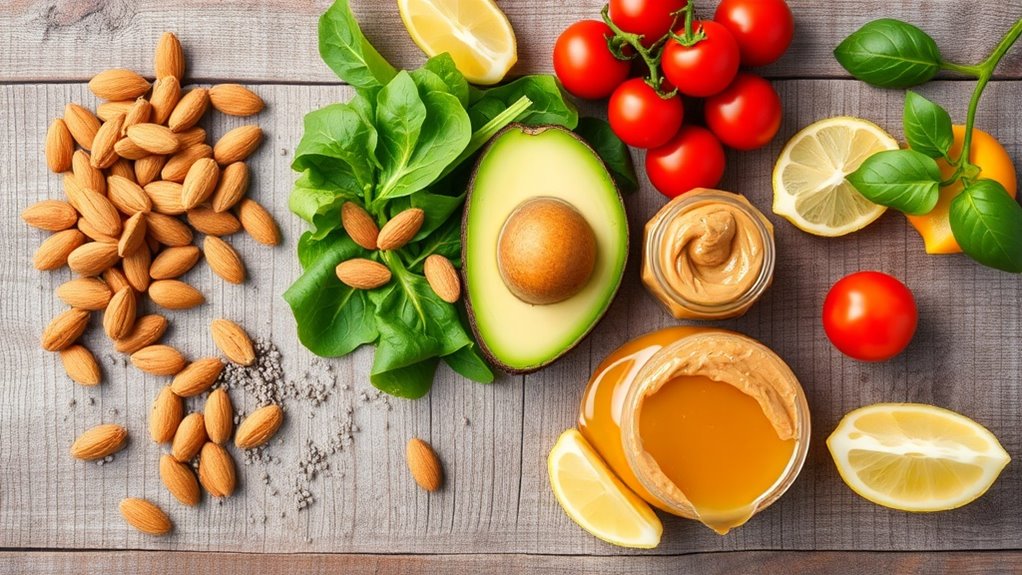
You can support your muscle recovery with simple, nutrient-dense snacks that are easy to prepare and portable for busy days. Combining anti-inflammatory ingredients like berries, chia seeds, and honey provides quick energy and healing compounds. These wholesome options help reduce soreness and promote natural healing, even on the go.
Nutrient-Dense Snack Ideas
Looking for quick, natural snacks that can support your muscle recovery? You can focus on nutrient-dense options that pack a punch of protein, antioxidants, and healthy fats. These snacks help reduce inflammation, replenish glycogen, and promote healing. For example:
- Nuts like almonds and walnuts offer healthy fats, magnesium, and antioxidants for muscle repair.
- Fresh berries such as blueberries and raspberries are rich in antioxidants that decrease soreness and oxidative stress.
- Hard-boiled eggs provide high-quality protein and essential amino acids to support recovery.
- Sliced fruits like bananas and apples with nut butter supply carbs and healthy fats to restore energy levels and aid healing.
Incorporating these natural snacks into your routine can make a meaningful difference in your muscle recovery journey.
Portable, Quick-Prep Options
When time is limited, choosing portable, quick-prep snacks can seamlessly support your muscle recovery efforts. These options deliver essential nutrients without fuss, helping you stay on track. Hard-boiled eggs or a handful of mixed nuts provide high-quality protein and healthy fats crucial for repair. Blending berries with chia seeds creates an antioxidant-rich smoothie that reduces inflammation within minutes. Carrying pre-portioned Greek yogurt or cottage cheese offers fast-absorbing protein and nutrients to rebuild muscles efficiently. Sliced fruits like bananas or apples paired with natural peanut or almond butter make energy-boosting, portable snacks. Instant oatmeal topped with seeds and dried fruit offers a nutrient-dense carbohydrate source that replenishes glycogen stores swiftly. These quick-prep, portable choices effortlessly fit into your busy schedule while supporting natural muscle healing.
Anti-Inflammatory Ingredient Uses
Opting for snacks rich in anti-inflammatory ingredients can enhance your muscle recovery efforts, especially when time is tight. Natural ingredients like chia seeds, berries, ginger, and tomatoes offer potent healing properties that combat inflammation. Incorporate these into your diet with simple snacks:
- Chia seed pudding topped with fresh berries
- A handful of mixed nuts and seeds
- Sliced tomatoes with a drizzle of olive oil
- Ginger tea or fresh ginger slices
These snacks provide omega-3 fatty acids, antioxidants, gingerol compounds, and lycopene—powerful anti-inflammatory agents that support tissue repair and reduce soreness. Embracing these natural ingredients in your quick-prep options promotes holistic healing, boosts recovery, and aligns with a natural, evidence-based approach to muscle health.
Timing and Combining Foods for Optimal Results
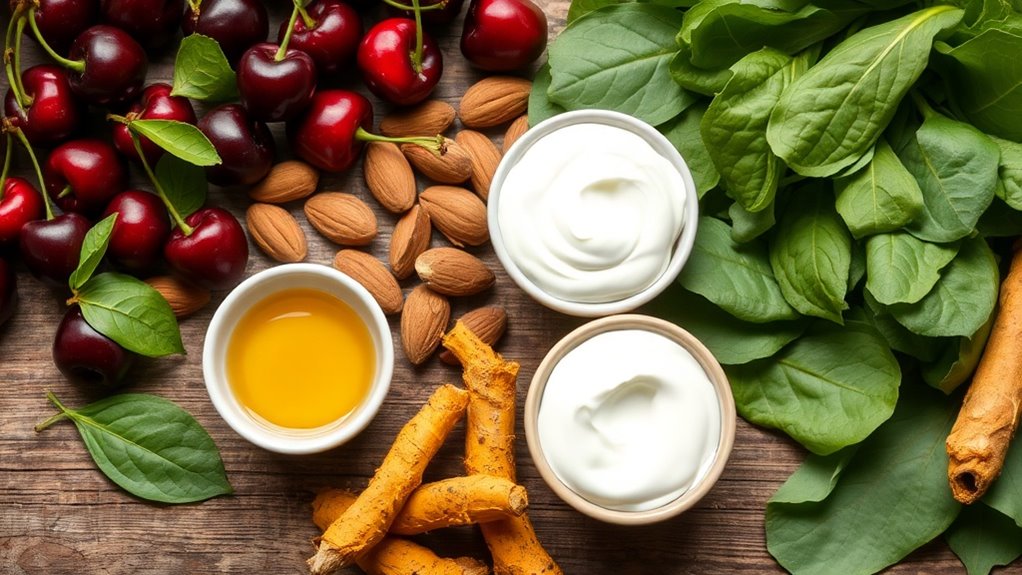
To maximize muscle recovery, timing your nutrient intake strategically can make a significant difference. Consuming protein and carbohydrate-rich foods within 30 to 60 minutes after exercise supports ideal recovery by speeding up muscle repair and replenishing glycogen stores. Nutrient pairing is key—combining high-quality protein sources like eggs or whey with starchy vegetables such as sweet potatoes enhances muscle synthesis and helps restore energy levels effectively. Incorporating antioxidant-rich foods like berries or pomegranate juice alongside your protein can reduce inflammation and soreness, accelerating recovery. Spacing out your nutrient intake evenly throughout the day ensures a steady supply of essential building blocks, reducing fatigue and supporting sustained muscle repair. Additionally, natural anti-inflammatory ingredients like turmeric or cherry extract work best when paired with meals, boosting their absorption and recovery benefits. By paying attention to timing and nutrient pairing, you create a natural, holistic approach to support your muscles on their path to full recovery.
Foods to Limit or Avoid for Better Post-Workout Recovery
Eating foods high in added sugars, refined carbs, and unhealthy fats can undermine your post-workout recovery by causing blood sugar swings, promoting inflammation, and slowing muscle repair. Processed foods loaded with preservatives and trans fats may increase inflammation, hindering muscle healing. Refined carbs like white bread and pastries lead to quick blood sugar spikes and crashes, impairing glycogen replenishment. Alcohol can disrupt muscle protein synthesis and cause dehydration, both of which delay recovery. To support your muscles naturally, limit or avoid:
- Processed foods with unhealthy fats and preservatives
- Refined carbs that cause blood sugar fluctuations
- Excessive alcohol consumption
- Overly calorie-dense, nutrient-poor meals
Focusing on whole, natural foods helps reduce inflammation and promotes efficient muscle repair. Cutting back on these foods allows your body to better absorb nutrients, recover faster, and build strength more effectively, supporting your holistic approach to fitness.
Common Questions
What Helps Muscle Recovery Naturally?
To support muscle recovery naturally, focus on consistent stretching routines to improve flexibility and reduce tension. Prioritize sleep quality, as deep rest promotes muscle repair and reduces inflammation. Hydration strategies, like drinking water and electrolyte-rich foods, help replenish fluids lost during exercise. Combining these holistic habits with a balanced diet rich in natural anti-inflammatory ingredients like turmeric and ginger can accelerate healing and reduce soreness effectively.
What Is the Best Natural Supplement for Muscle Recovery?
The best natural supplement for muscle recovery is a combination of anti-inflammatory foods and herbal remedies. Incorporate protein sources like fish or plant-based options, along with turmeric and cherries, which are rich in anti-inflammatory compounds. These, combined with a balanced diet and proper rest, support your body’s natural healing processes. This holistic approach, backed by evidence, helps reduce soreness and promotes faster muscle repair naturally.
What Drink Is Best for Muscle Recovery?
The best drink for muscle recovery is a balanced post-workout smoothie that combines hydration strategies with anti-inflammatory foods. Think smoothies with tart cherry juice, green tea extract, or watermelon, which help reduce inflammation and soreness. Add protein sources like whey or milk for muscle repair. These natural, evidence-based options support faster recovery, hydrate your body, and promote overall healing through holistic, nutrient-rich ingredients.
What Is the Most Powerful Natural Muscle Relaxer?
The most powerful natural muscle relaxer is herbal remedies like valerian root combined with essential oils such as peppermint, which work synergistically to ease tension. Incorporate gentle stretching routines to enhance their effects and promote relaxation. These holistic, evidence-based options can calm even the tightest muscles naturally, making your recovery feel like a gentle wave of relief. Trust in nature’s power to soothe and restore your muscles effectively.
To Sum it up
By choosing natural, nutrient-rich foods, you’re tending to your body’s garden of recovery, allowing it to flourish anew. Think of each wholesome bite as a gentle rain nourishing tired roots, helping muscles heal and grow stronger. When you listen to your body’s natural rhythms and fuel it wisely, you’re guiding yourself toward vibrant health—like a river flowing smoothly back to its source. Embrace these healing foods, and watch your strength blossom from within.