
Walking 10 minutes after meals improves blood sugar regulation by stimulating muscle glucose uptake independently of insulin, reducing postprandial blood spikes, and enhancing insulin sensitivity over time. It also benefits cardiovascular health through better circulation, supports digestion by promoting gut motility, and boosts mood via endorphin release. When timed correctly, this simple activity can effectively lower long-term health risks. Exploring further reveals how integrating this routine optimizes your metabolic and circulatory systems efficiently.
Key Takeaways
- Walking 10 minutes after meals reduces blood sugar spikes by increasing muscle glucose uptake independently of insulin.
- It enhances insulin sensitivity and promotes better long-term blood sugar control.
- Post-meal walks improve blood circulation and support cardiovascular health by reducing arterial stiffness.
- Short walks aid digestion, prevent bloating, and promote gut motility.
- Regular post-meal walking boosts mood, reduces anxiety, and contributes to overall mental well-being.
How Walking After Meals Affects Blood Sugar Levels
Walking for just 10 minutes after a meal can markedly reduce postprandial blood sugar spikes by stimulating muscle glucose uptake independently of insulin. This activity directly influences blood sugar levels by facilitating immediate utilization of glucose stored in the bloodstream, thereby mitigating hyperglycemia. Short walks after meals have been shown to decrease the area under the blood glucose curve, promoting more stable blood sugar management throughout the day. The exercise enhances glycemic control by activating muscle cells to absorb glucose without relying solely on insulin, which is especially beneficial for individuals with insulin resistance or Type 2 diabetes. Regular post-meal walks also help lower peak blood glucose levels, reducing long-term metabolic stress and cardiovascular risk. Incorporating brief walks after eating is an evidence-based, practical approach to improving blood sugar regulation, supporting overall metabolic health, and optimizing blood sugar levels in daily routines.
The Impact on Insulin Sensitivity and Metabolic Health
Walking for just 10 minutes after meals can considerably improve insulin sensitivity by promoting muscle glucose uptake through insulin-independent mechanisms. This activity decreases hepatic glucose production and enhances peripheral glucose utilization, leading to better long-term metabolic regulation. Regular post-meal walks are associated with reductions in HbA1c levels and help prevent insulin resistance development.
Enhances Muscle Glucose Uptake
Engaging in a brief walk lasting approximately 10 minutes after meals activates skeletal muscle GLUT-4 transporters through insulin-independent pathways, thereby increasing glucose uptake into muscle cells. This post-meal walking stimulates glucose absorption in skeletal muscle without relying solely on insulin, facilitating muscle glucose uptake efficiently. The activity enhances insulin sensitivity by promoting more effective glucose utilization, which reduces postprandial blood glucose spikes. Regular short walks support metabolic health by improving insulin responsiveness and glucose handling over time. This process helps prevent insulin resistance by maintaining muscle’s capacity for glucose absorption even in insulin-resistant states. Ultimately, post-meal walking optimizes muscle glucose uptake, contributing to better overall metabolic health and long-term regulation of blood sugar levels.
Lowers Postprandial Blood Sugar
Post-meal physical activity, even for 10 minutes, markedly lowers postprandial blood sugar by activating muscle glucose uptake pathways independently of insulin. This reduces the glucose response and mitigates postprandial glycemia, leading to improved metabolic control. Regular post-meal walking enhances GLUT-4 transporter function, facilitating efficient glucose utilization and stabilizing blood glucose levels. The following table illustrates the impact:
| Effect of Post-Meal Walking | Mechanism | Outcome |
|---|---|---|
| Lowers blood glucose levels | Activates GLUT-4 | Better glycemic control |
| Reduces postprandial glycemia | Increases muscle glucose uptake | Stabilizes blood sugar |
| Improves insulin sensitivity | Enhances glucose transport | Decreases insulin resistance |
| Decreases area under glucose curve | Promotes metabolic health | Long-term metabolic benefits |
Consistent post-meal walking not only affects immediate blood sugar but also fosters improved insulin sensitivity and overall metabolic health.
Boosts Insulin Sensitivity
Although the direct insulin-independent mechanisms initiated during post-meal activity play a crucial role, regular 10-minute walks after eating considerably boost insulin sensitivity by enhancing muscle glucose uptake and signaling pathways. Post-meal walks stimulate skeletal muscle activity, which suppresses hepatic glucose production, thereby improving blood sugar regulation. This increased muscle activity facilitates insulin-responsive glucose transport, leading to more efficient insulin response and reduced postprandial glucose levels. Consistent short walks help decrease insulin resistance by strengthening insulin signaling pathways, contributing to better metabolic health. Over time, these benefits support long-term improvements in insulin sensitivity, lowering the risk of type 2 diabetes. By promoting glucose uptake and reducing oxidative stress, post-meal walks serve as an effective strategy for optimizing metabolic function and maintaining blood sugar balance.
Benefits for Heart Circulation and Cardiovascular Risk
Walking for 10 minutes after meals enhances blood circulation, facilitating efficient oxygen and nutrient delivery to cardiac tissues. This activity also contributes to lowering blood pressure and reducing the risk of hypertension-related cardiovascular events. Additionally, post-meal walks can decrease LDL cholesterol and triglyceride levels, supporting overall vascular health and lowering coronary heart disease risk.
Improves Blood Flow
Engaging in a brief walk after meals considerably enhances blood flow to muscles and essential organs, thereby supporting cardiovascular function. This activity stimulates endothelial function, which improves vasodilation and reduces arterial stiffness, positively affecting vascular health. Enhanced circulation optimizes blood flow dynamics, ensuring efficient delivery of oxygen and nutrients, critical for organ repair and recovery. Regular post-meal walks also promote vascular flexibility, aiding in blood pressure regulation and reducing resistance within arteries.
| Effect | Impact |
|---|---|
| Blood flow | Increased to muscles and organs |
| Endothelial function | Improves vasodilation, reduces arterial stiffness |
| Circulation | Enhanced, supporting overall vascular health |
| Blood flow dynamics | Optimized, reducing cardiovascular risk |
Lowers Blood Pressure
Recent studies demonstrate that a brief 10-minute walk after meals can effectively lower systolic blood pressure, particularly in individuals with resistant hypertension. This post-meal walk enhances blood circulation, reducing arterial stiffness and decreasing the heart workload. By promoting vasodilation, short walks help facilitate healthy blood pressure levels and improve overall cardiovascular health. Regularly engaging in these short walks can prevent the progression of hypertension and mitigate long-term cardiovascular risks. The mechanism involves improved endothelial function and reduced peripheral resistance, contributing to more stable blood pressure regulation. Incorporating 10-minute walks after meals is a simple, evidence-based intervention that supports maintaining healthy blood pressure and bolsters heart health over time.
Reduces Heart Disease Risk
Research indicates that a 10-minute walk after meals can markedly reduce the risk of heart disease by enhancing circulation and promoting vascular health. Post-meal walking improves endothelial function, decreases arterial stiffness, and supports blood flow to essential organs. Regular short walks help lower LDL cholesterol levels, positively impacting lipid profiles crucial for cardiometabolic health. This activity also reduces cardiovascular stress and accelerates recovery, contributing to an all-encompassing reduction in heart disease risk. Evidence shows that consistent post-meal walking is associated with a 19% decrease in coronary heart disease incidence. By integrating brief walks into your routine, you support overall cardiovascular health and mitigate factors that elevate heart disease risk.
- Enhances blood circulation and endothelial function
- Reduces arterial stiffness and improves vascular compliance
- Lowers LDL cholesterol, improving lipid profiles
- Supports cardiometabolic health and reduces cardiovascular stress
Effects on Digestion and Gastrointestinal Comfort
Walking for approximately 10 minutes immediately after meals enhances gastrointestinal motility, facilitating the efficient transit of food through the digestive system. This simple practice supports digestive health by promoting regular bowel movements and reducing bloating and gastrointestinal discomfort such as gas and indigestion. Post-meal walking stimulates gut motility, helping to prevent constipation and maintain ideal gut health. It is unlikely to cause stomach upset when performed at a gentle pace, and may even alleviate symptoms of indigestion by encouraging smoother digestion.
| Benefits of Post-Meal Walking | Emotional Impact |
|---|---|
| Promotes gut health | Feel confident in your digestion |
| Reduces bloating | Experience relief after meals |
| Supports regular bowel movements | Feel comfortable and light |
| Eases gastrointestinal discomfort | Enjoy a more comfortable day |
Incorporating brief walks can considerably improve gastrointestinal function, making digestion more efficient and comfortable.
Influence on Mood and Mental Well-Being
Engaging in a brief post-meal walk can considerably influence your mood and mental well-being by stimulating the release of neurotransmitters such as endorphins and dopamine, which are associated with feelings of happiness and stress reduction. This physical activity enhances brain sensitivity to serotonin, promoting calmness and emotional stability. Regular walking after meals has been linked to decreased symptoms of anxiety and improved overall mental health. The increased circulation from walking delivers more oxygen to the brain, supporting cognitive function and mood regulation. Over time, consistent post-meal activity can bolster stress management and emotional resilience.
- Boosts endorphin and dopamine levels, elevating mood
- Enhances emotional stability through serotonin sensitivity
- Reduces anxiety symptoms via improved mental well-being
- Supports cognitive function through increased cerebral oxygenation
Role in Weight Management and Body Composition
Incorporating brief, post-meal walks into your daily routine can play a significant role in weight management and improving body composition. These walks increase daily calorie burn, contributing to a negative energy balance essential for fat loss. Regular post-meal activity also enhances metabolic rate and insulin sensitivity, reducing the likelihood of excess glucose storage as fat. This process supports effective weight management by preventing postprandial hyperglycemia and promoting healthier body composition. Additionally, consistent 10-minute walks after eating can help preserve lean muscle mass by stimulating metabolic activity without excessive strain. Over time, these healthy habits reinforce sustainable weight control and body composition improvements. By integrating these brief walks, you optimize short-term calorie expenditure and metabolic function, making them a practical, evidence-based approach to achieving and maintaining a healthier weight and body composition.
Optimal Timing and Duration for Post-Meal Walking

Research indicates that walking 10 minutes within 15-30 minutes after a meal ideally reduces postprandial blood glucose levels and supports digestion. Longer or more vigorous walks may increase gastrointestinal discomfort or reflux risk if not properly timed, with waiting at least 60 minutes recommended before intense exercise. Establishing a consistent post-meal walking routine maximizes metabolic and circulatory benefits while minimizing adverse effects.
Best Post-Meal Timing
Ideal post-meal walking typically occurs within 30 minutes after eating, with evidence indicating that a 10-minute walk immediately following a meal can considerably improve blood glucose regulation. Perfect post-meal timing maximizes glycemic control by enhancing postprandial blood glucose management and supporting digestion. Engaging in light walking during this window encourages mealtime activity that benefits metabolism without disrupting meal digestion. To achieve these effects:
- Walk immediately after eating or within 30 minutes for best results
- Limit walking duration to around 10 minutes for efficiency
- Delay walking 15-30 minutes after high-fat or spicy meals to prevent reflux
- Adjust timing based on meal composition and individual comfort
This approach ensures the timing of walking aligns with metabolic benefits while minimizing gastrointestinal discomfort, promoting overall glycemic control.
Short vs. Long Walks
The duration and timing of post-meal walks considerably influence their effectiveness in managing blood glucose levels. Short walks (~10 minutes) performed within 15-30 minutes postprandially significantly reduce postprandial glycemia by promoting rapid muscle glucose uptake. In contrast, longer walks (up to 30 minutes) initiated after 30 minutes can yield additional benefits but may be less practical daily. Critical walking timing is essential for blood sugar control and metabolic health. The following table summarizes key differences:
| Walk Duration | Timing | Benefits |
|---|---|---|
| Short (~10 min) | 15-30 min post-meal | Effective glycemic response, quick, convenient |
| Long (up to 30 min) | 30+ min post-meal | Additional metabolic benefits, longer exercise duration |
| Short vs. Long | Immediate vs. delayed | Timing influences postprandial glycemia reduction |
Consistent Routine Benefits
Establishing a consistent routine of short post-meal walks offers measurable benefits for blood glucose regulation and overall metabolic health. Regular postmeal walking for around 10 minutes enhances blood sugar regulation, reduces insulin resistance, and supports cardiovascular health by improving circulation and lowering blood pressure. Maintaining this routine habit promotes long-term health benefits and weight management. Consistency is key; integrating these short walks into daily activity ensures sustainability and adherence. A predictable pattern reinforces healthy behaviors, leading to cumulative metabolic advantages. This routine optimizes timing and duration, making it easier to sustain over time and maximize health outcomes.
- Enhances blood sugar regulation and insulin sensitivity
- Supports cardiovascular health through improved circulation
- Reinforces healthy routine habits for long-term health
- Promotes sustainable daily activity with manageable duration
Potential Risks and Precautions to Consider
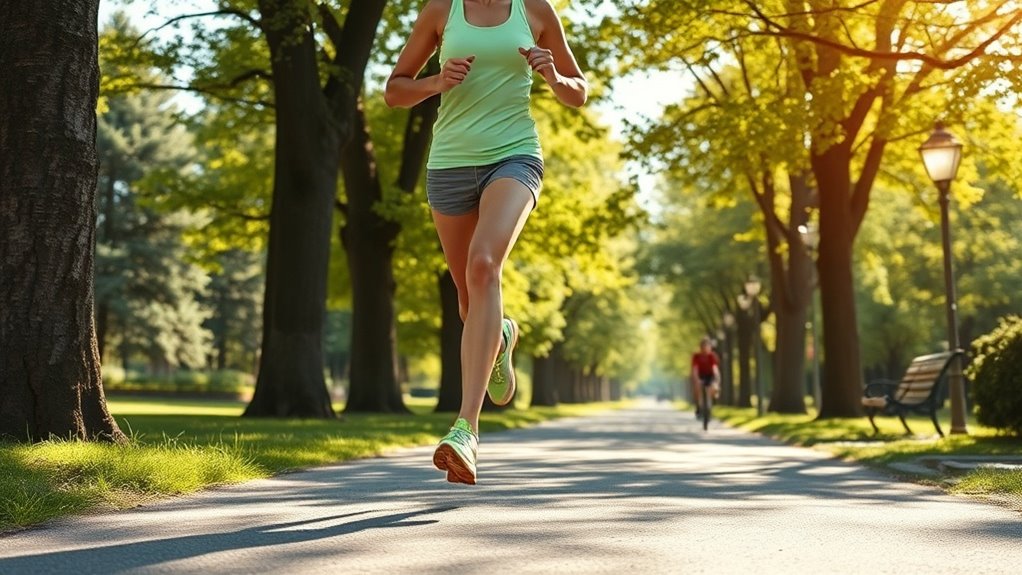
Walking immediately after a heavy or spicy meal can pose risks such as acid reflux or indigestion, particularly for individuals with gastrointestinal sensitivities. Engaging in physical activity too soon may impair digestion by diverting blood flow away from the gastrointestinal tract, leading to discomfort or gastrointestinal upset. The timing and intensity of your walk are vital; vigorous activity can exacerbate symptoms, especially in those with conditions like GERD. To minimize risks, start with gentle, short walks and gradually increase duration and intensity, observing how your body responds. Precautions include avoiding walking immediately after large meals and being mindful of symptoms such as heartburn or bloating. If you have underlying health issues or are pregnant, consulting a healthcare provider before establishing a post-meal walking routine is essential. Properly managed, walking can promote digestion, but neglecting these precautions may lead to unnecessary gastrointestinal distress.
Incorporating Post-Meal Walks Into Daily Routines
Incorporating post-meal walks into your daily routine can be an effective strategy to improve metabolic health and support digestion, as evidence indicates that even brief walks—around 10 minutes—can significantly reduce postprandial blood sugar levels, especially in individuals with or at risk for diabetes. Establishing a consistent routine of walking after meals enhances glycemic control and promotes overall cardiovascular health. These short bouts of physical activity stimulate digestion, improve circulation, and contribute to long-term health benefits. To integrate this habit effectively:
- Schedule walks immediately after meals to maximize blood sugar regulation
- Use reminders or alarms to reinforce routine consistency
- Wear comfortable footwear to facilitate easy walking during busy schedules
- Combine walking with mindful breathing to further reduce stress and improve sleep quality
Making post-meal walks a habitual part of your day ensures accessibility, requiring no equipment, and supports sustained health improvements through simple, regular physical activity.
Scientific Evidence Supporting Short Walks After Eating
Numerous scientific studies have demonstrated that performing a brief, 10-minute walk immediately after meals can produce significant improvements in postprandial blood glucose levels. Postprandial walking effectively reduces peak blood glucose readings and lowers the 2-hour blood glucose AUC by approximately 5-10%, supporting ideal blood sugar management. This form of postmeal activity activates muscle glucose uptake via insulin-independent pathways, enhancing glycemic control without requiring additional insulin response. Evidence indicates that short walks following meals are comparable in efficacy to longer exercise sessions for mitigating blood sugar spikes. Consistent 10-minute walks after each meal contribute to improved metabolic health by promoting better long-term blood sugar regulation and reducing cardiovascular risk. These findings substantiate the role of post-meal activity as a practical, evidence-based strategy for managing blood glucose levels and supporting overall metabolic function through simple, accessible short walks.
Common Questions
What Does a 10 Minute Walk After Eating Do?
A 10-minute walk after eating aids post-meal digestion and improves blood sugar regulation by increasing insulin sensitivity. It provides a metabolic boost, enhances calorie expenditure, and supports cardiovascular health. This physical activity reduces stress, elevates mood, and promotes overall well-being. Consistent post-meal walks optimize metabolic function, helping manage weight and prevent blood sugar spikes, making it an effective, evidence-based strategy for health improvement.
What Happens if I Walk After Every Meal?
Walking after every meal boosts digestion, balances blood sugar, and burns calories, creating a cycle of metabolic mastery. This simple physical activity stimulates digestion, supports blood sugar regulation, and encourages appetite control. It also enhances mental clarity and elevates energy levels, fostering a healthier lifestyle. Consistent, moderate movement aligns with scientific evidence to improve overall metabolic health, making each post-meal walk a powerful practice for long-term well-being.
Can You Lose Weight From a 10 Minute Walk?
Yes, you can lose weight from a 10-minute walk by increasing calorie expenditure and providing a metabolic boost. It aids digestion, improves blood sugar regulation, and enhances insulin sensitivity. Additionally, it suppresses appetite, reduces stress, and boosts mood. Regular short walks also support cardiovascular health and stress reduction, making them a simple, effective habit that contributes to gradual weight loss when combined with a healthy diet and consistent routine.
How Does Walking After Eating Affect Gut Health?
Walking after meals improves your gut health by enhancing digestion efficiency and gastric emptying, which supports better nutrient absorption and bowel movements. It also promotes gut microbiota balance, reduces inflammation, and boosts insulin sensitivity. Additionally, this activity can elevate your metabolic rate and aid in the activation of digestive enzymes, contributing to overall gut function and health. Regular post-meal walks are therefore a practical strategy for maintaining a healthy gastrointestinal system.
To Sum it up
Incorporating brief, beneficial walks post-meal boosts blood sugar stability, enhances insulin sensitivity, and elevates cardiovascular competence. By balancing biomechanics with biological benefits, you optimize metabolic health and mental mood. Careful consideration of timing and duration guarantees safety, minimizing risks while maximizing rewards. Consistent, conscious cadence cultivates thorough wellness, proving that small steps sustain significant, science-supported strides toward sustained health and vitality.