
When you move mindfully, you anchor your awareness in the present moment, helping you feel more grounded and calm. Gentle, intentional movements activate your relaxation response, calming your nervous system and reducing stress. Focusing on your breath and sensory experience during movement deepens this sense of stability, making it easier to navigate daily challenges with resilience. Continuing to explore these practices can guide you toward greater calm and emotional balance.
Key Takeaways
- Gentle, intentional movements anchor your awareness in the present moment, fostering a sense of stability.
- Synchronizing breath with movement activates relaxation responses, calming the nervous system.
- Mindful movement enhances body awareness and sensory connection, increasing feelings of groundedness.
- Slow, deliberate actions help release muscle tension and reduce stress, promoting emotional stability.
- Incorporating mindful movement into daily routines deepens presence and strengthens your connection to the ground.
Understanding the Connection Between Movement and Grounding
Understanding the connection between movement and grounding starts with recognizing how gentle, deliberate movements can anchor you in the present moment. When you engage in mindful movement, you’re not rushing; instead, you’re attuning to each motion, breath, and sensation. This focused awareness helps you stay rooted in your body, strengthening your body awareness. As you move slowly and intentionally, you activate your parasympathetic nervous system, which promotes relaxation and a sense of safety. This process naturally calms your nervous system, reducing feelings of stress or dissociation. By connecting movement with your breath and sensory experience, you create a bridge to stability and calm. Over time, consistent practice deepens your body awareness, making you more attuned to subtle signals and helping you feel more grounded during challenging moments. Mindful movement becomes a gentle tool for cultivating presence, safety, and emotional balance.
How Mindful Movement Calms the Nervous System
When you move mindfully, your breath and body work together to signal safety to your nervous system, encouraging calm. Gentle, intentional movements help soothe the limbic system, reducing feelings of anxiety and stress. Over time, this practice rewires your brain for greater resilience and emotional stability.
Breath-Body Connection
By moving mindfully and synchronizing your breath with your body, you activate the body’s natural relaxation response. This mindfulness practice involves deep breaths and breathing exercises that quiet the nervous system, helping your body feels more grounded. When you focus on breath-body awareness during movement, cortisol levels decrease, reducing stress and anxiety. Engaging this way also enhances interoception, strengthening the connection between bodily sensations and emotional states. Coordinating breath with movement stabilizes heart rate variability, fostering emotional resilience and calmness. Consistent practice rewires neural pathways toward safety and groundedness, making you more resilient to stress. This simple yet profound connection between breath and body can transform your experience of movement into a calming, restorative ritual.
| Breath Focus | Body Awareness |
|---|---|
| Deep, rhythmic breathing | Sensing bodily sensations |
| Synchronizing breath and movement | Enhancing interoception |
| Rewiring neural pathways | Promoting relaxation |
Gentle Movement Effects
Gentle, mindful movements have a soothing effect on your nervous system, helping you find calm amid stress. By engaging in slow, deliberate actions like gentle yoga or tai chi, you activate your parasympathetic nervous system, encouraging relaxation. Focusing on breath-synchronized movements enhances your body awareness and calms your nervous system, making it easier to manage stress. These intentional motions help lower cortisol levels and reduce your heart rate, supporting emotional regulation. As you move with awareness, you naturally release muscle tension, easing feelings of anxiety and overwhelm. Practicing this gentle, mindful movement regularly strengthens your mind-body connection, fostering a sense of grounded stability and inner calm. It’s a simple yet powerful way to nurture relaxation amid life’s challenges.
Simple Movements to Cultivate Presence and Stability
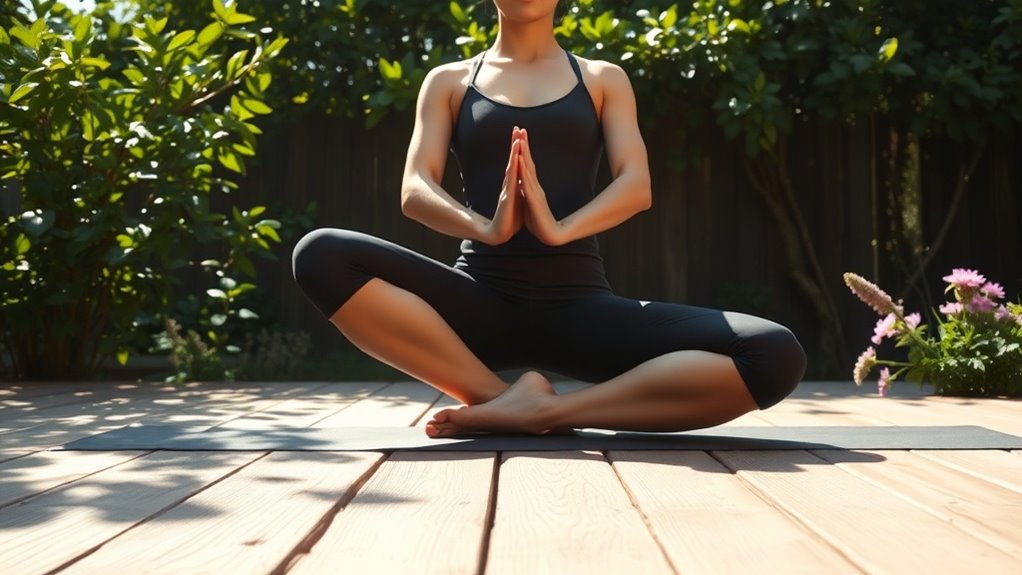
Engaging in simple movements with mindfulness can ground you in the present moment and foster a sense of stability. Gentle actions like shoulder rolls or slow stretches help enhance your body awareness, anchoring you in the here and now. Pay close attention to the sensations in your feet as they make contact with the ground during standing or walking; this connection reinforces stability and rootedness. Synchronizing your breath with movement—inhale as you stretch or roll, exhale as you release—deepens relaxation and cultivates calmness. You can also incorporate mindful movement into everyday routines, such as washing dishes or tidying up, turning routine tasks into opportunities for presence. Gentle seated twists or arm stretches throughout the day can further nurture a feeling of calm and groundedness. These simple movements serve as accessible tools to nurture mindfulness, stability, and relaxation wherever you are.
Incorporating Mindful Movement Into Daily Routines
Incorporating mindful movement into your daily routines allows you to turn ordinary moments into opportunities for presence and grounding. By paying close attention to simple actions like stretching, shoulder rolls, or even standing in line, you deepen your awareness of movement and sensation. When washing dishes, cooking, or making coffee, fully engage your senses—notice the textures, sounds, and smells—bringing mindfulness into everyday tasks. Using intentional breathing during these moments connects your movement with breath, grounding you further in the present. Approach routine activities with curiosity and focus, transforming them into mindful practices rather than chores. Over time, consistently embedding these mindful movements helps build a sustainable habit that enhances emotional regulation and overall wellbeing. This gentle shift in awareness fosters a calmer, more centered experience throughout your day, reminding you that mindfulness isn’t limited to formal practice—it’s woven into the fabric of daily life.
Using Breath to Enhance Grounding During Movement
When you focus on your breath while moving, you create a powerful anchor to the present moment. Synchronizing your breath with movement—inhale during expansion, exhale during contraction—deepens your body awareness and promotes grounding. Slow, deliberate breathing activates the parasympathetic nervous system, fostering calm and stability. Paying attention to each inhale and exhale helps anchor your mind, reducing distractions and mental chatter. When movement feels rapid or unsteady, gently slowing your breath restores balance and enhances feelings of stability. Incorporating mindful breathing into your movement practices strengthens your sense of presence and resilience. Use this simple rhythm to deepen your connection to the here and now:
| Inhale | Movement Phase | Exhale |
|---|---|---|
| Expand | Reach or stretch | Contract |
| Slow and deep | Pause or hold | Release |
| Calm and steady | Movement flow | Relax |
| Grounding focus | Mindfulness cue | Stability |
This practice nurtures a grounded, centered experience through gentle awareness.
Tips for Staying Consistent With Your Practice
Building a consistent mindful movement practice can feel challenging at first, but small, intentional steps make it manageable. To help maintain your practice, start with just a few minutes each day—this prevents overwhelm and makes it easier to stay committed. Incorporate movement into your routine by adding stretches during breaks or mindful walks in your daily schedule, reinforcing consistency naturally. Setting reminders or specific times helps establish movement as a habit, making it feel less like a chore and more like self-care. Tracking how you feel after each session can motivate you to keep going and highlight the benefits of consistency. Remember, persistence is key; even short, regular practices help deepen your connection to your body. By approaching your movement practice with patience and kindness, you’ll gradually build a sustainable routine that supports your well-being.
- Use cues or alarms to prompt practice
- Integrate movement into daily tasks
- Celebrate small milestones
- Reflect on how it helps your overall well-being
Common Questions
What Does It Mean to Feel More Grounded?
Feeling more grounded means you’re connected to the present moment through body awareness and sensory engagement. You sense stability in your body, which helps foster emotional stability and calmness. It’s about tuning into physical sensations like your breath or contact with the ground, creating a feeling of safety. When you’re grounded, you feel centered, resilient, and more in control, even amid life’s challenges, nurturing a calm and steady mind.
Does Mindfulness Ground You?
Yes, mindfulness grounds you by helping you stay connected to the present moment. Through mindful breathing and sensory awareness, you can calm your mind and regulate emotions more effectively. This practice anchors you in your body, reducing stress and emotional reactivity. As you focus on each moment, you develop a sense of stability and rootedness, making you feel more centered, calm, and resilient amid life’s challenges.
What Is the 3 3 3 Rule for Grounding?
Imagine anchoring yourself amid chaos—that’s what the 3-3-3 rule does. It’s a simple grounding technique that uses sensory awareness to bring emotional stability and reduce stress. By identifying three things you see, hear, and feel, you redirect your focus to the present moment. This mindful practice helps you feel calmer, more centered, and resilient, even during overwhelming times. It’s a gentle reminder that stability starts with awareness.
What Are the 3 C’s of Mindfulness?
The 3 C’s of mindfulness are Calm, Clarity, and Compassion. By practicing mindful breathing and sensory awareness, you can cultivate calm to reduce stress. Observing your thoughts and feelings without judgment enhances clarity, helping you stay present in the moment. Compassion fosters kindness towards yourself and others, supporting emotional regulation and resilience. Together, these qualities create a gentle, supportive space for you to feel more grounded and centered throughout your day.
To Sum it up
By embracing mindful movement, you’re planting your roots deeper into the present moment. It’s like tending to a gentle garden, where each intentional step nurtures your sense of stability and calm. Remember, consistency is your steady anchor—small, mindful movements can transform your daily life into a rooted oasis of peace. Trust in this process, and let each mindful breath and step bring you closer to feeling truly grounded amidst life’s ebb and flow.